
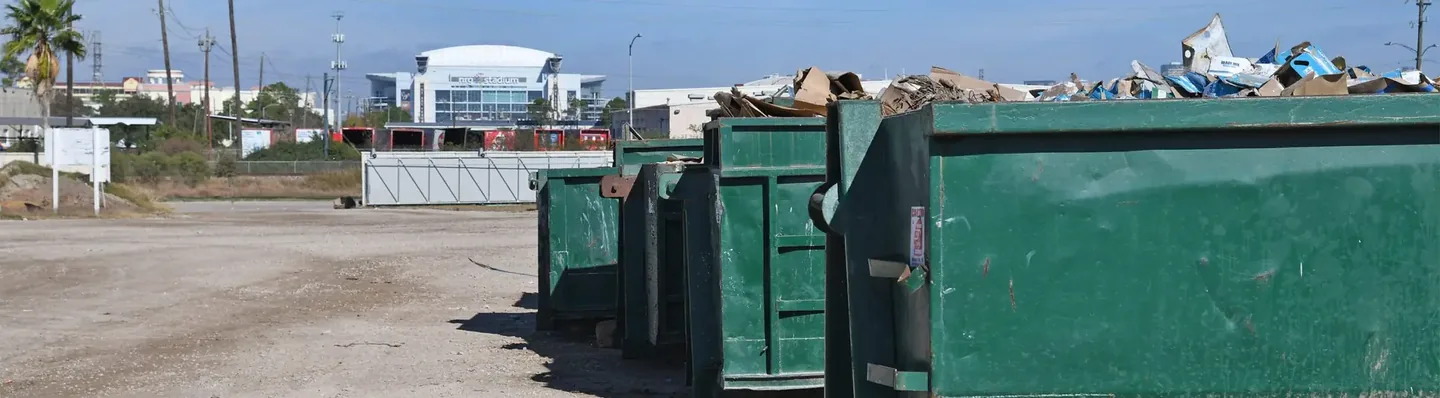
Construction waste disposal in Oak Forest
Construction waste disposal in Oak Forest starts with the material leaving your commercial project next, so bulky interior debris and dense rubble get the right receiving and transport plan.
Start with the contractor load, not a dumpster size
The next material movement is the useful starting point for an Oak Forest commercial project. Identify what is leaving the site, how it will be loaded and who will drive it. A receiving inquiry for a defined load can then address the actual material rather than beginning with a container size that may not fit the work.
DW Companies receives qualifying waste at 9461 Neuens Road, Houston. Call 713-465-7231 with the source, material, quantity and vehicle for that inquiry. Customer-haul disposal means your contractor or loading arrangement prepares the load and takes it to the receiving operation.
For example, a commercial renovation may begin with strip-out and continue with a new fit-out. The first movement might contain removed wood and drywall; a later phase might produce packaging or a different mix of finishes. Keeping the phases clear helps establish what each load actually contains. Review the construction-debris receiving scope before treating the whole project as one continuous, unchanged waste stream.
Use the receiving operation that fits the material
The receiving destination follows the material description. Start the DW Neuens inquiry with the actual source and condition of the load. A broad phrase such as commercial renovation describes the project, but the receiving team also needs to know what came out of the building and what is in the truck.
The Holmes Road alternative has two distinct material paths. Tannahill receives qualifying mixed C&D at 1800 Holmes Road, with hard hat, safety vest and check-in requirements. Dirt and roofing shingles are excluded from that mixed load. Houston Crushed Concrete handles concrete and pavement asphalt separately at the Holmes facility; call 713-799-2000 for that rubble inquiry.
Keep liquids, hazardous materials and unidentified products separate from ordinary C&D. Removed equipment may also contain refrigerants or other contents that need a different handling decision. Identify those components before loading, rather than allowing the general building-debris label to stand in for a complete material list. The material guide helps distinguish the receiving questions.
Account for the driver’s time between work phases
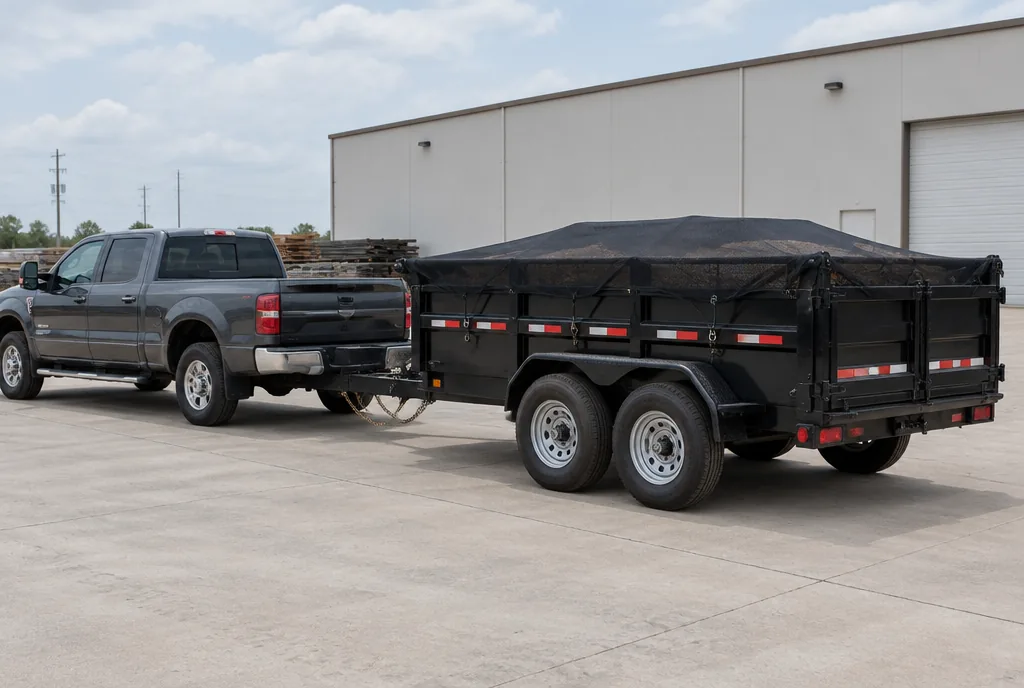
A disposal comparison includes the complete movement, not only the receiving charge. Consider the available vehicle, who will load it, who will drive, how unloading will work and what happens at the site while that person is away. These inputs determine whether a self-haul plan fits the workday.
A defined batch can suit a contractor who already has a suitable vehicle and a clear loading arrangement. Ongoing debris production creates a different collection need. If material continues accumulating while the vehicle is needed elsewhere, a temporary commercial dumpster can keep collection at an appropriate jobsite location. The customer loads it, with loading assistance arranged separately.
Plan around the phase rather than committing every material to the same collection method. One part of the job may suit self-haul and another a container. Compare the actual quote, available placement space and transport resources. A change in collection method does not turn an excluded material into an eligible one, so the receiving decision remains tied to the load.
Plan the load by material and project phase
Bulky interior debris and dense rubble create different estimating problems. Describe the occupied space and composition together, then keep that description with the phase of work. This makes a quantity estimate useful to the contractor, driver and receiving operation.
Bulky interior debris
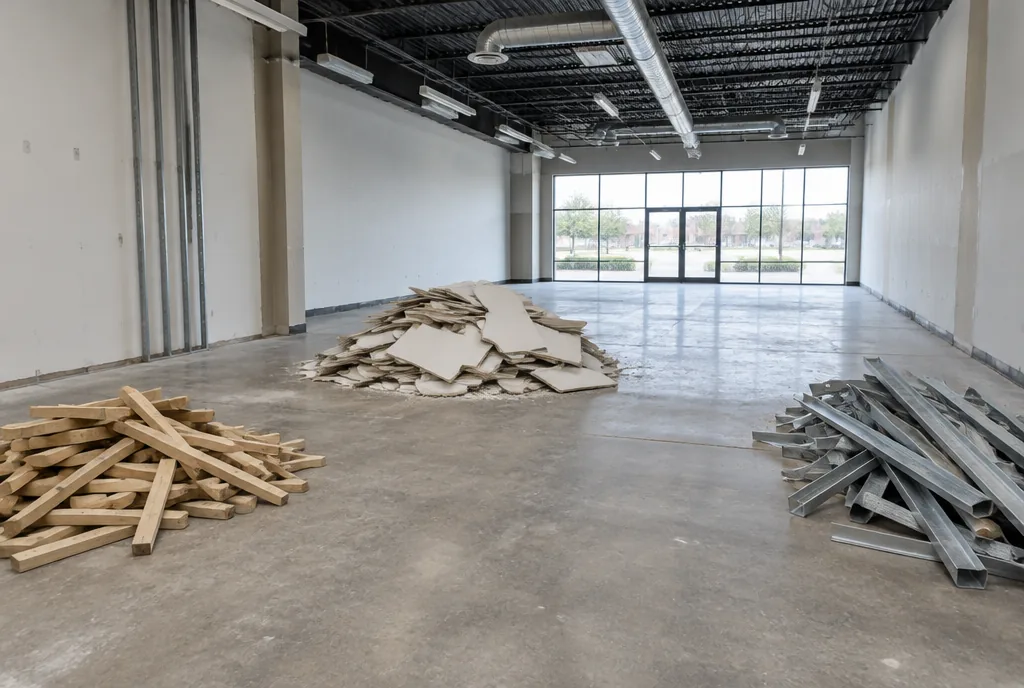
Wood, drywall and removed finish materials can occupy space unevenly. Irregular pieces leave voids, so the exterior dimensions of a loose pile provide a planning estimate rather than a precise solid-material quantity. State whether the estimate describes a loose pile, a filled vehicle or another measured space.
Keep the material condition clear as well. A truck containing wood, drywall and fixtures is a mixed load; calling it only wood loses information that matters to receiving. Use the wood and drywall disposal scope when those are the principal materials.
Dense concrete and pavement rubble
Identify dense rubble separately before choosing a vehicle or combining it with bulky material. A smaller occupied space can still impose a substantial weight constraint. Use the actual vehicle and trailer limits, and arrange the separate concrete or pavement-asphalt receiving path for that stream.
Changes between project phases
Keep the material description, quantity estimate, vehicle and receiving instructions with the relevant phase. When removal work gives way to fit-out, update those inputs. Repeated loads of one described material differ from a new stream with different composition or density. Give the hauler a current handoff and retain the actual receiving documents supplied for each movement.
Oak Forest around Judiway and West 43rd Street
Oak Forest has its own neighborhood identity and homeowners association. Oak Forest Park at 2100 Judiway is a familiar community destination, with West 43rd Street and T.C. Jester providing recognizable orientation through the surrounding area.
Oak Forest and Garden Oaks are distinct communities, even though broader city planning descriptions discuss them together within Central Northwest. Use the actual jobsite address when arranging a debris movement, especially around the edges of an area that people describe informally by a nearby neighborhood name.
For a contractor-managed commercial renovation or hardscape replacement, that address identifies the origin. The material list and vehicle plan identify what needs to move from it. Connecting those details gives the driver a clear departure point and a separate, real receiving destination.
Request a quote for the next Oak Forest load
Describe the material leaving next, its project source, approximate quantity and condition. Include the vehicle or container arrangement, unloading needs and timing. If the next phase will produce a different stream, mention it separately rather than combining every future movement into one estimate.
Request a disposal quote with those inputs, or call DW at 713-465-7231 about the Neuens receiving path. A useful inquiry lets the receiving team evaluate the load and lets your project manager compare the movement with the work still happening on site. Select the secondary dumpster option when the collection plan needs a container.
Answered Questions
Does a load estimate tell me what my truck can carry?
No. Occupied volume describes the space debris takes up, while material weight and the actual vehicle payload limit are separate constraints. State the material and condition with the volume estimate, then use the real vehicle and trailer limits when arranging transport. A cubic-yard number alone cannot settle that decision.
Can I mix concrete with wood and drywall?
Keep concrete and pavement asphalt on a separate receiving path from ordinary mixed C&D. Houston Crushed Concrete handles that rubble inquiry separately at Holmes Road, while Tannahill has its own mixed-debris rules. Identify soil, shingles and other materials separately instead of assuming one combined load has one acceptance decision.
Does disposal include loading or demolition at the jobsite?
The customer or contractor arranges jobsite loading and transport for a self-haul disposal movement. This inquiry concerns the receiving destination for a qualifying load. A temporary dumpster is available as a separate collection option, with customer loading and loading assistance arranged separately.
How should I price several phases of renovation debris?
Describe each phase by material, quantity and expected movement. Bulky interior strip-out and dense rubble can create different vehicle and receiving needs. Keep the current quote connected to its actual scope, then update the description when the project produces a new stream rather than assuming every phase has identical terms.
Should I keep a dumpster instead of making repeated trips?
A container can suit ongoing collection when an appropriate placement location is available. Self-haul can suit defined eligible loads with a suitable vehicle, driver and loading arrangement. Compare the actual project resources and quote; the most practical collection method can change as the work moves from one phase to another.
Arrange the next Oak Forest load on clear facts.
Share the material, quantity, project phase and transport arrangement. Keep the receiving plan tied to the actual load, with a container option when ongoing collection needs to stay at the site.