
Construction waste drop-off for Houston haulers
Construction waste drop-off for Houston haulers starts with a material-specific destination and a clear dispatch instruction. Arrange qualifying commercial loads through Neuens Road or Holmes Road, with concrete and pavement asphalt routed separately. Send the material, approximate amount, vehicle and expected arrival so the disposal inquiry matches the truck that will actually turn up.
Give the driver a material-specific destination
Haulers need more than a street address. The dispatch instruction should identify the receiving business and the material arrangement. Mixed wood and drywall, concrete rubble, pavement asphalt and excavation material should not all leave under the same description of “construction waste.”
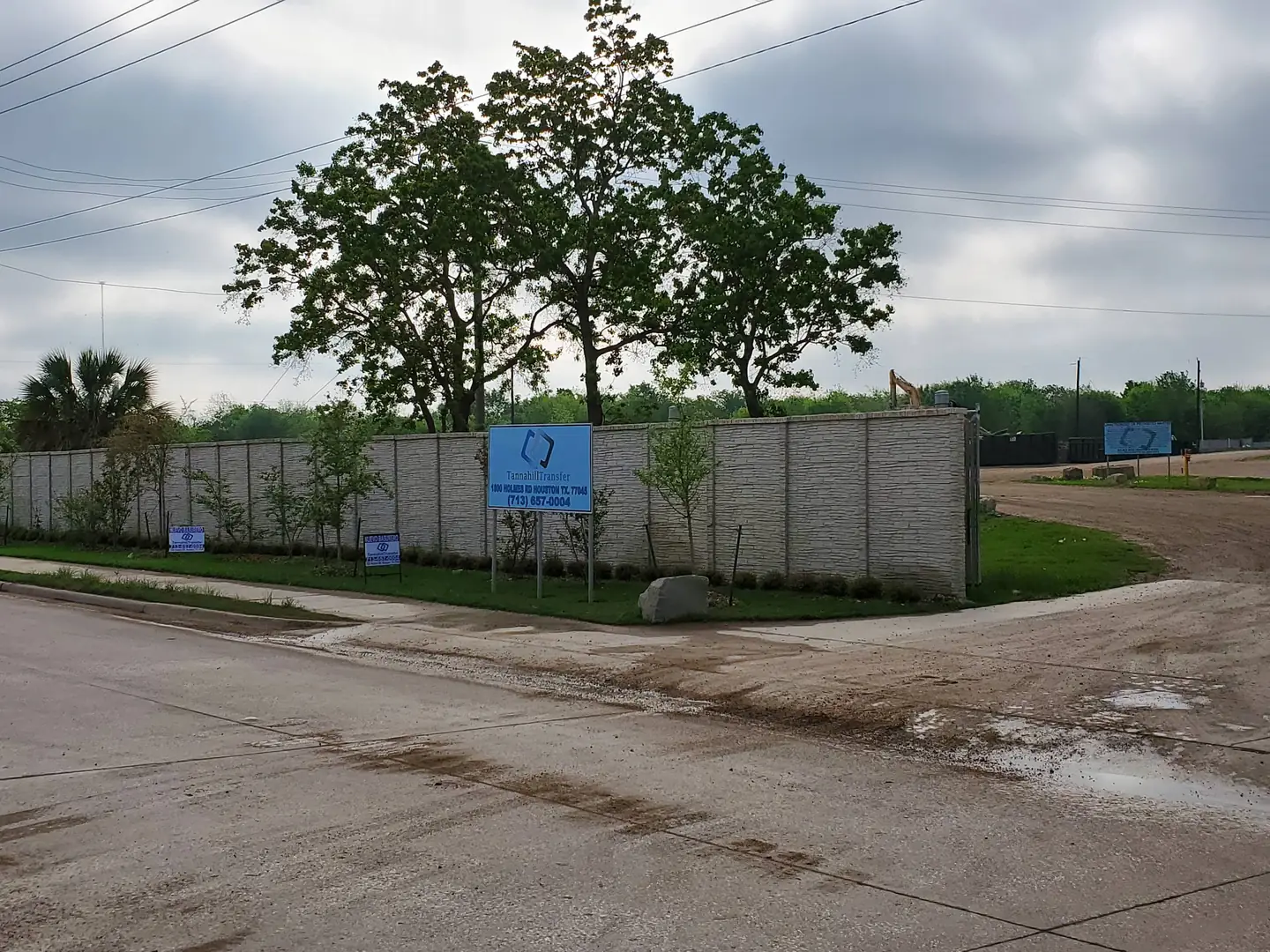
For Neuens Road, the receiving inquiry is with DW Companies at 9461 Neuens Road, Houston, TX 77080, on 713-465-7231. Give the load and vehicle details before dispatch. For Holmes Road, Tannahill at 1800 Holmes Road, Houston, TX 77045 handles qualifying mixed C&D on 713-657-0004.
Concrete and pavement asphalt at the Holmes Road facility go through Houston Crushed Concrete separately, on 713-799-2000. Tannahill excludes dirt and roofing shingles along with liquids and other prohibited waste. Use the materials guide to split the receiving inquiry before sending several drivers toward a shared facility.
Prepare one dispatch description for each load type
Use a short description that can move from estimator to site manager to driver without losing meaning. Include the job name, source material, approximate quantity, vehicle and receiving contact. List relevant mixture or condition details, such as concrete combined with other debris, attached components or wet material.
If the initial inquiry describes one stream, keep later additions visible. A trailer approved on a description of framing scraps and drywall should not silently collect soil, equipment and roofing material during loading. The material description needs to change when the contents change.
For your own records, distinguish a planned quantity from the material actually dispatched. A field estimate is useful when it is labeled, while an unexplained exact tonnage can mislead the next person in the chain. The load estimation guide helps keep volume, container size and weight separate. Keep the dispatch description with the driver and project log so everyone uses the same material and destination details.
Build the instruction around information the driver can use at departure. For example: the project reference, the identified material stream, the vehicle, the receiving business and its contact. Add the intended day and the receiving directions arranged for that load. Keeping those details in one place is more practical than expecting the driver to search several messages for an address and an earlier material approval.
When the loading crew finds a different material, update the instruction at the source. A later driver should not inherit an old description simply because the project reference is the same. If you manage several sites, keep their load descriptions separate as well. Combining debris from different origins into one truck changes the load that needs to be described; the dispatch record should show that mixture rather than only the first pickup location.
Coordinate repeated loads and changing phases
Repeated hauling is easier to plan when each material stream has a clear identity. Keep a common project reference with every truck, then add a distinct description for demolition, framing, finish debris or rubble. A receiving arrangement for one phase should not be treated as blanket permission for everything the project will generate.
Use an expected sequence of trips rather than a promise that every vehicle can arrive at an exact interval. Loading conditions, traffic and the material itself can affect the plan. Keep the yard contact available to the dispatcher so a changed load can be addressed before the driver commits to the trip.
The multiple-load planning guide covers that sequence in more detail. For recordkeeping, retain the project information and any actual documents issued for the movement. Identify documentation required by the job before hauling begins rather than assuming every destination provides the same reports. See construction waste records for organizing that requirement.
Keep changes attached to the relevant load, including its date and destination, so the next shift can distinguish an updated instruction from an earlier estimate.
Match the vehicle and unloading plan
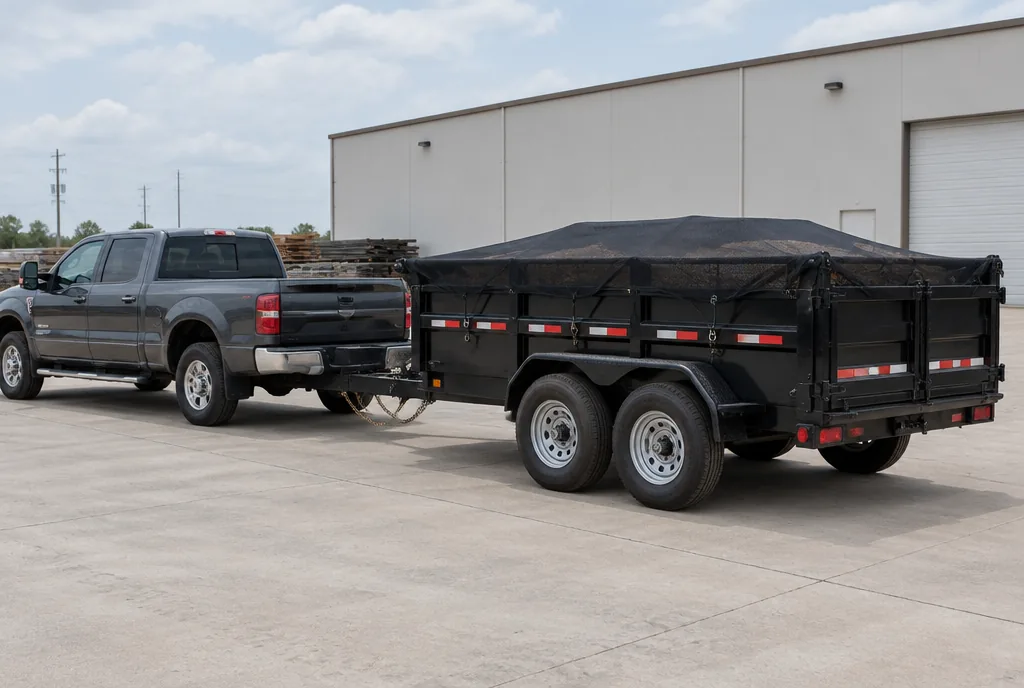
Tannahill lists pickup trucks, utility trailers, dump trailers and commercial vehicles for qualifying Holmes Road loads. Give the actual vehicle details when arranging receiving, particularly if unloading involves large assemblies, unusual dimensions or a method beyond a straightforward debris drop-off.
Drivers bring a hard hat and safety vest to Holmes Road, secure the load for travel, check in and follow the yard team’s unloading directions. A request for special unloading help should be described before dispatch rather than assumed to be included in the disposal charge.
Plan the trip for the actual truck and receiving location. A car's route or a familiar business address does not answer every truck-access question. Keep the Holmes Road destination or Neuens Road destination instructions with the driver, alongside the load description, so the person arriving has the information used to arrange the job.
Make the quote useful to the job and the driver
A commercial load inquiry should support a real dispatch decision. Give the material, approximate amount, vehicle and intended arrival. For repeated work, explain whether the stream stays consistent and how the project’s phases change. Include the station you prefer, while keeping material suitability ahead of simple proximity.
Request the charge for the actual load and receiving arrangement. A competitor’s public rate or an earlier job's price may describe a different service. Likewise, a container-delivery quote is not a disposal-only quote for a truck you bring yourself. Use the cost guide to keep those comparisons meaningful.
If the project needs a container rather than another hauling trip, commercial dumpster rental is the supporting path. Send the jobsite address and access details with the material. Keep the distinction between a truck arriving at a yard and a container being delivered to the job explicit in the request.
Why load consistency matters at a transfer station
Transfer is a handling stage
A transfer station receives waste as a handling stage before its onward movement. It is different from treating the location as an unrestricted final destination for every material. The receiving stream and operating rules determine how a particular load fits that stage.
Keeping material identifiable helps maintain the route chosen for it. A separate rubble load can be directed differently from mixed building waste. Once other debris is combined with it, the receiving decision has to address the mixture. Source separation at the job is often the point where your team has the clearest view of what each material is.
A consistent material description
Commercial dispatch works from a chain of information: the estimator's scope, the crew’s actual pile and the driver’s delivered load. Keep those descriptions aligned. Cubic yards explain occupied volume, while weight is a different transport consideration. A nominal container size describes neither every possible material nor its actual filled quantity. Recording what changed between the planned load and the actual load makes the next disposal inquiry more precise.
Answered Questions
Can several drivers use the same receiving inquiry?
Describe the expected sequence and the material in each load when arranging the project. Give every driver the receiving operation, contact and load description. Update the plan if the material or vehicle changes instead of assuming the first trip explains all later arrivals.
Can commercial trucks bring qualifying loads to Holmes Road?
Tannahill lists commercial vehicles along with pickups, utility trailers and dump trailers. Identify the specific truck and unloading needs in the inquiry. Bring a hard hat and safety vest, check in and unload as directed for the qualifying load.
What information helps a disposal quote?
Give the material and mixture, approximate quantity, vehicle, preferred destination and intended arrival. For repeated loads, include the project reference and whether later trips contain the same stream. Label estimates so they are not mistaken for measured actual quantities.
Should the closest station always be the destination?
Choose the receiving stream first, then plan the trip. Concrete and pavement asphalt at the Holmes Road facility use Houston Crushed Concrete separately from Tannahill mixed C&D. A short route is useful only when the destination and arrival arrangement fit what the driver is hauling.
Send the dispatch details once, clearly
Request a commercial load inquiry with the material, quantity estimate, vehicle and preferred station. Include repeated loads and any change of stream so the receiving plan is useful to both the project manager and the driver.