
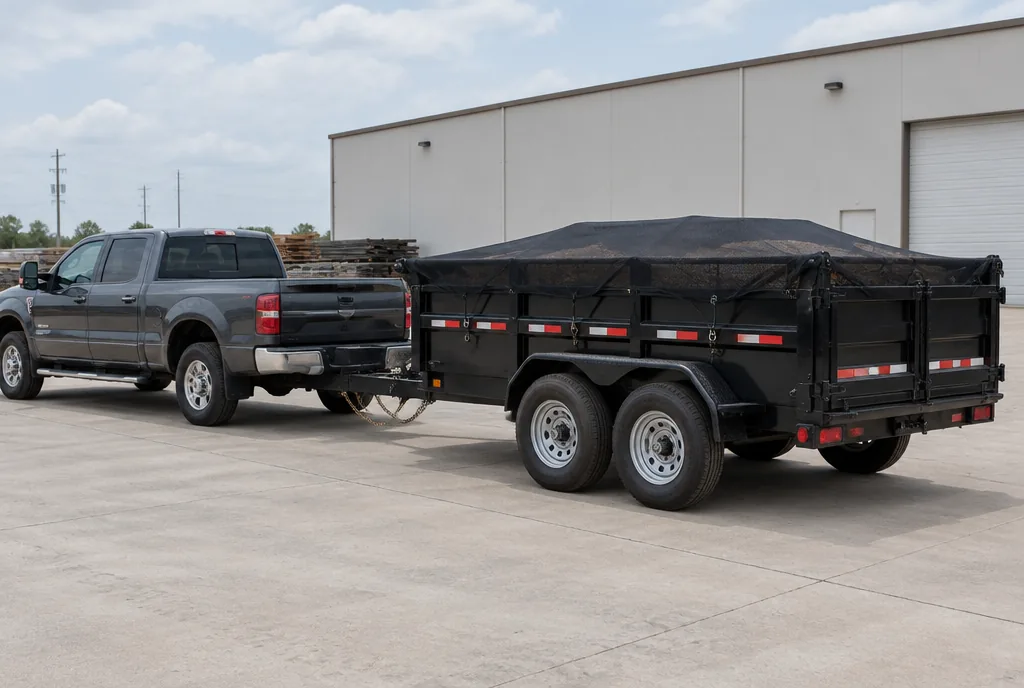
How to plan multiple construction debris loads
Plan multiple construction debris loads by separating the project into material streams and work phases, assigning a receiving path to each and recording the actual movements. A project total is useful for estimating; a load plan makes that estimate usable in the field.
Make a load plan by material and work phase
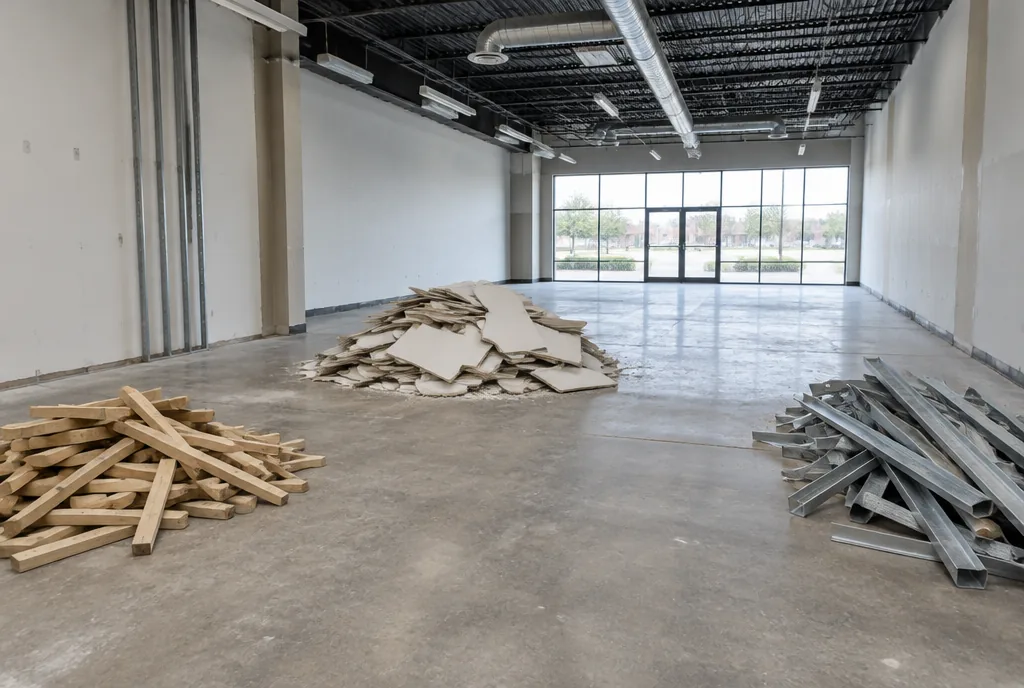
Begin with the removal sequence: what comes out first, what follows and which materials must remain separate. A commercial renovation can produce mixed wallboard and framing in one phase and dense rubble in another. A building demolition can change streams as the work progresses.
Estimate each stream independently with its own units and assumptions. Do not assign every phase the same truck count merely because the overall project is described as C&D. Material weight, occupied space and receiving conditions can constrain different loads in different ways.
Keep the plan connected to the demolition debris receiving path or the relevant construction service. For a stream that has not yet been exposed, record a planning allowance as an estimate rather than pretending its final quantity is already known.
Choose destinations before assigning trucks
A destination decision should come before a loaded truck is ready to leave. Identify the material, condition, quantity estimate and vehicle, then establish the receiving arrangement. Give the destination a clear stream name that the field team will use consistently.
Neuens Road and Holmes Road provide the two commercial enquiry paths. At Holmes Road, Tannahill handles qualifying mixed C&D while Houston Crushed Concrete handles concrete and pavement asphalt separately. Dirt and roofing shingles do not belong in Tannahill loads.
Do not use the first accepted load as permission for later, different material. When work changes from wood and drywall to concrete, update the receiving decision. The material guidance helps keep that distinction visible in the plan.
Keep one practical dispatch log
A short dispatch log can connect the office estimate to actual movements. Use a load reference, project/phase, material description, vehicle, date, destination and project contact. Add the receipt or other supplied document after the trip rather than leaving it in a separate message thread.
Use the same stream names in the log, quote request and driver instructions. If one person writes concrete and another writes general demolition for the same planned movement, resolve the ambiguity before dispatch. Consistency helps when several people arrange vehicles during a busy phase.
For a practical example, identify loads by project and sequence, then record what actually moved. The sequence number is an organizing tool, not a prediction that every load will be identical. Keep changes visible so a later review can distinguish increased quantity from a different material mix.
Separate planned loads from completed loads
Use a clear status for each movement: planned, ready, dispatched or completed. These are practical project labels, not receiving promises. They help the office distinguish material waiting on site from material already moved.
For example, a schedule may list four planned movements while only two have departed. Treating the estimate as a completed-load count makes cost and quantity summaries misleading. Attach the actual date and trip document when the movement occurs.
When a movement is split or combined, preserve the material descriptions and note why. That gives the next shift a usable plan and keeps later summaries from implying identical measured loads where quantities were estimated. An end-of-day review can compare staged material, dispatched loads and the next phase due to start. Use it to adjust the working plan without turning uncertain quantities into an artificial exact forecast.
Plan around receiving windows and truck turnaround
A truck cycle includes jobsite loading, outward travel, receiving and unloading, and any return needed for another movement. Schedule around the complete cycle rather than assuming only driving distance matters. Avoid promising a fixed receiving time when weather, traffic and yard activity can change the day.
Holmes Road Tannahill's normal hours are Monday-Friday 7 am-5 pm and Saturday 7 am-1 pm, closed Sunday. Use the current receiving instructions for the actual date. For Neuens Road, keep the confirmed receiving arrangement with the dispatch record rather than treating business-profile hours as a guaranteed cutoff.
Also plan where material waits while trucks are away. Staging space, loading access and the pace of removal can become the limiting factors. A supplementary commercial roll-off may fit ongoing collection when self-haul movements alone leave the work area constrained.
Manage changes without losing the material trail
Update the plan when the pile, material or sequence changes. A new stream should have its own receiving decision. A larger amount of the same reviewed material may require more movements and a revised price conversation. Do not conceal the difference by continuing an outdated estimate.
Give the driver the current version of the instructions, especially if the destination or unloading arrangement has changed. The project contact should know which load is on the road and be able to answer questions about it.
At the end of each phase, compare estimated and actual movements. Use the difference to plan the next phase, while recognizing that a different stream may behave differently. The aim is a better working forecast, not a false promise that every construction pile can be predicted exactly.
Technical detail: balancing volume, weight and truck cycles
Find the limiting capacity for each stream
Bulky material may occupy available space before reaching the permitted payload. Dense material can reach a weight limit while leaving visible room. Estimate movements from the suitable load for that material, not just the container's nominal cubic-yard size.
Match production with removal
The work generates debris at a changing rate, while trucks remove it in separate movements. If debris accumulates faster than it leaves, staging space becomes important. If vehicles wait for enough material, the loading sequence or allocation of trucks may need adjustment.
Keep the inputs separate: estimated material, usable loading arrangement, likely movements and current receiving conditions. Record actual quantities in the units supplied instead of forcing every trip into a guessed common tonnage. This provides a coherent project trail and gives the next estimate a factual starting point. Measure the next pile with those distinctions in mind.
Answered Questions
Does a project quote approve every later load?
No. Keep each load consistent with its described material and receiving arrangement. A different stream or condition needs an updated decision even when it comes from the same project.
What should I track if I do not know exact tonnage?
Record the material, your stated estimate and units, vehicle, date and destination. Retain actual quantities or documents supplied for the movement without inventing a weight for an unweighed load.
Can a rental help a repeated self-haul project?
Yes. A container can provide ongoing collection while your project uses separate hauling movements for other streams. Arrange the accepted material and responsibilities for each path independently.
Organize the project, then request the receiving plan
Share the expected material streams, project phases, approximate amounts and available vehicles. Keep the next load and the project total clearly distinguished.