
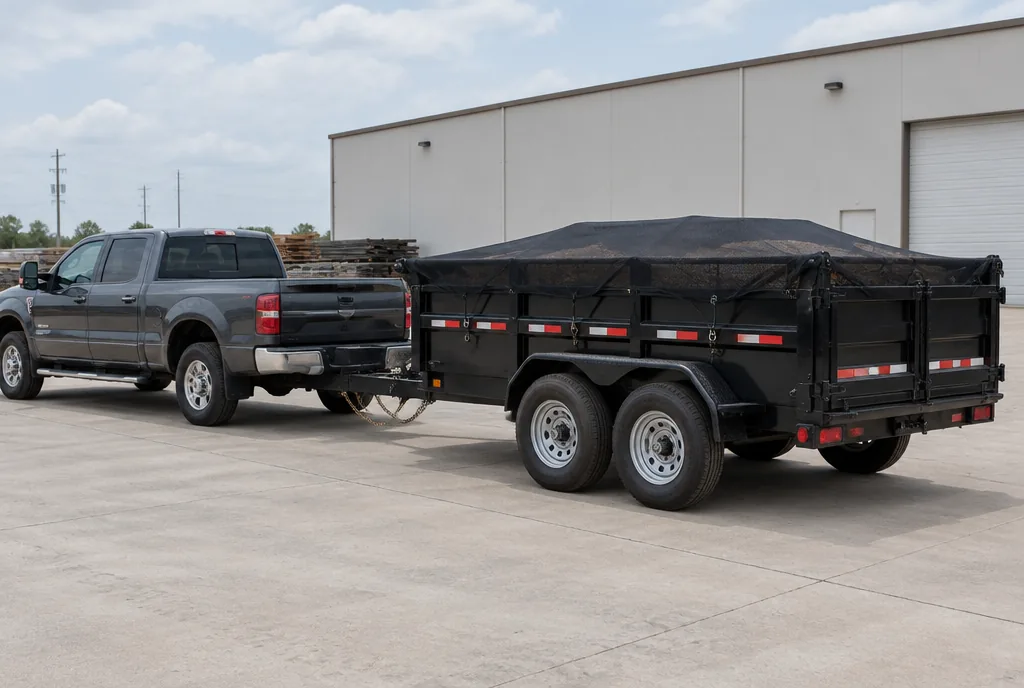
What records should you keep for construction waste?
Keep a construction-waste record that connects each load to its project, material, vehicle, date and receiving destination. Retain the documents actually supplied for the movement and distinguish them from any broader recycling or diversion claim.
Keep a project record that explains what moved and where
A useful record answers a practical question: what left this project and where did it go? Start with the project reference, material stream, date, vehicle and receiving operation. Add the quantity and unit when known, and keep an estimate clearly labeled as an estimate.
For one load, a short record may be enough. For a phased renovation or demolition, use a consistent format so information from several drivers can be understood together. The format should help the office and field share the same facts without reconstructing them from scattered messages.
Organize the record around actual movements rather than a general monthly waste allowance. The commercial hauler enquiry can begin with a specific stream and expected trip, then connect the receiving response to the project file.
Prepare the load information before dispatch
Before dispatch, keep the described material, approximate amount, planned vehicle and receiving instructions together. Include the contact who can answer a question about the load. If the destination or material changes, update the instruction set that the driver receives.
Use the same stream names throughout. A load described as separated concrete in the quote request should not become generic mixed debris in the dispatch log without an explanation. Consistent wording helps preserve material identity through loading and arrival.
For the two Houston receiving paths, identify the actual operator. Neuens Road involves DW Companies; Holmes Road mixed C&D involves Tannahill, with concrete and pavement asphalt handled separately by Houston Crushed Concrete. A project reference should not blur those different receiving arrangements.
Retain the documents actually supplied for each trip
After the trip, retain the receipt, invoice or other receiving document actually supplied. Associate it with the load reference and date. If a document states a quantity, keep its original unit and scope rather than rewriting it into another measurement without a valid basis.
Check practical matching details while the trip is recent: project, date, destination and material description where available. Resolve an administrative mismatch while the driver and project contact can still explain it. This is easier than recreating the movement at the end of a large project.
Do not assume every destination supplies the same paperwork. If the contract requires a particular document or field, establish that before selecting the receiving arrangement. Include any required weight information, diversion evidence or reporting format in the receiving request. Establish which documents the arrangement supplies before relying on it for a contractual report.
Distinguish ordinary receipts from diversion evidence
A receiving receipt can document an event without proving what happened to every component afterward. Recycling or diversion claims need evidence addressing the actual claim. Sending a load to a facility with recycling in its description is not by itself a measured recovery percentage.
Keep source separation records when relevant, but distinguish a separate pile from a documented final outcome. Photos can show how material was organized; they do not necessarily show the destination or processing. A complete project file uses each piece of evidence for what it actually demonstrates.
For a project with specified sustainability documentation, define the requirements at procurement or planning stage. Identify what information must be obtained and from whom. The receiving choice should follow those requirements rather than relying on an assumption that any later receipt will be sufficient.
Separate an estimate from an outcome
A preconstruction waste plan describes intended movements and possible destinations. Completed trip documents describe actual events. Keep both, but label their roles so a planned recovery route is not reported as an accomplished result.
For example, an early plan may reserve separate collection for concrete. If the actual load later includes other material or follows another receiving path, update the record. The original plan remains useful background, but it should not override what happened in the field.
Build any final summary from completed-load records and retain the basis of calculations. It should explain its units, included movements and supporting documents without implying more precision or recovery evidence than those records provide. Assign someone to gather the documents while work is active. A consistent collection routine is easier to maintain than searching several phones and inboxes after the project has moved on.
Make multi-load records usable by the office and field
Give each load a reference that can follow it from dispatch to the receiving document. Use one location for the current instructions and a consistent place for completed-trip records. The driver should know what information to return, while the office should know which movement it belongs to.
For example, a renovation might keep separate references for mixed interior debris and concrete alteration material. The project total can summarize both, but the individual records should preserve their different descriptions and destinations. Do not combine quantities expressed in different units into a single unsupported total.
At the end of a phase, reconcile planned and actual movements. Note changes in material or quantity and carry useful observations into the next phase. The multiple-load guide connects that recordkeeping to field logistics.

Technical detail: consistent units and a defensible material trail
Units and evidence need matching scopes
Cubic yards and tons describe different properties. A count of trucks describes movements, not a standardized quantity. Keep original units and state the basis of any conversion used in the project record. Do not manufacture a tonnage total by applying one density to mixed construction streams.
Keep the record proportional to the decision
An ordinary disposal estimate, a contractor's internal cost review and a contractual recovery report can require different information. Establish the purpose first. Collect the actual fields and supporting documents needed for that purpose instead of accumulating unrelated screenshots.
The resulting material trail should be understandable to someone who was not on site: origin, description, movement and receiving evidence. That makes follow-up questions easier to answer and helps identify gaps before they become end-of-project disputes. For a new load, start with clear dispatch preparation so the record begins with accurate information.
Answered Questions
Does every disposal receipt prove a weight?
No. Use the quantity and unit actually stated on the document. A receipt without a measured weight should not be turned into a weight ticket through an assumed conversion.
Should I arrange reporting requirements before the first load?
Yes. If your contract requires specific documentation, establish the required fields and available documents before selecting the receiving arrangement. This avoids relying on a record that cannot support the intended claim.
Can I combine truck counts from different streams?
You can summarize movements, but a truck count is not a standardized volume or weight. Keep the underlying material and quantity basis visible so the summary does not imply that every load was equivalent.
Include project documentation needs in the load request
Describe the material, quantity, planned trips and any specific document requirements. Establish the receiving arrangement before dispatch and retain the records actually supplied.