
Wood and drywall disposal in Houston
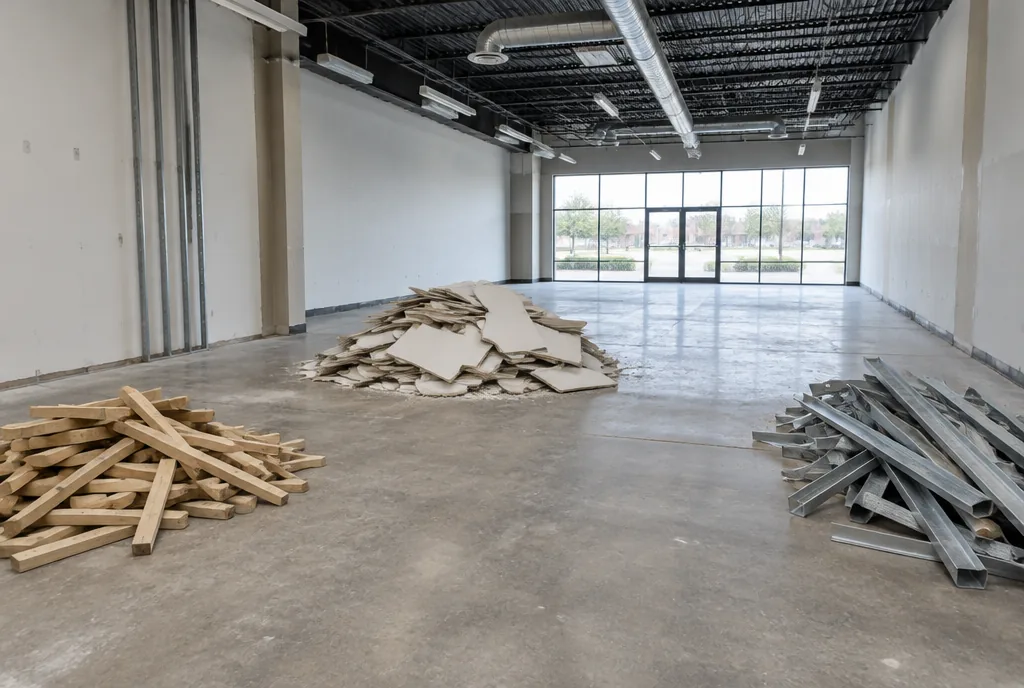
Wood and drywall disposal in Houston gives commercial projects a receiving path for qualifying building debris without treating the whole job as one material. Holmes Road accepts qualifying lumber and drywall through Tannahill mixed C&D. Neuens Road receives qualifying waste through DW Companies, with the actual load described before dispatch. Keep rubble and prohibited items separate.
Wood and drywall in a qualifying construction load
Framing offcuts, removed partitions and wallboard scraps can arise at different points in a construction project. Describe whether the load is new-construction material, renovation tear-out or mixed demolition debris. That context explains the likely components without replacing the need to list them.
At Holmes Road, qualifying lumber and drywall belong to the Tannahill C&D inquiry. Metal, plastic and cardboard can also appear in qualifying mixed building debris. Dirt and roofing shingles are excluded. Concrete and pavement asphalt follow Houston Crushed Concrete's separate receiving path, not the same mixed-load arrangement.
For Neuens Road, contact DW Companies on 713-465-7231 with the actual wood and drywall mixture, amount and vehicle. Keep material condition in the description, including coatings, attached components or unusual contamination. The accepted-materials page helps separate ordinary construction material from items that need another route.
Keep building debris separate from other waste
A wood-and-drywall pile can change as other trades pass through. Leftover liquid products, discarded containers, batteries, equipment or roofing material should not be added simply because the pile is convenient. Keeping those items out at the source preserves the description used to arrange the qualifying C&D load.
Concrete, brick and masonry can also change the handling task. If a later demolition phase produces dense rubble, plan it as a distinct inquiry rather than allowing it to disappear beneath light framing scraps. The concrete and asphalt receiving path covers the clean rubble operation.
Be specific about treated or coated lumber, wall assemblies and attached material when it affects what is in the load. A clean new offcut and a piece removed from an old assembly can have different characteristics. Describe the actual condition instead of borrowing a universal “all wood accepted” rule from another yard. Ordinary building debris and contaminated or specialist waste remain separate disposal tasks.
Plan strip-out, framing and finish loads
During a renovation strip-out, the removed material may include framing, drywall, fasteners and finishes in the same pile. During new framing, offcuts may be easier to identify and keep apart. During finishing, packaging and smaller wallboard scraps can dominate. Use the phase to anticipate the load, then update the description to match what is actually generated.
For example, a warehouse office build-out might first remove interior partitions, then create framing offcuts, then produce drywall scraps. The demolition load is not automatically identical to the later installation waste. Keep the distinction in the project plan, especially if different subcontractors load the vehicle.
A simple separation point on site can reduce confusion: one place for qualifying mixed building debris, another for distinct rubble or items with their own disposal arrangement. The construction debris separation guide explains the planning method. Use it to preserve a useful material description, not to imply a guaranteed recovery rate or a particular processing service at the receiving yard.
Use a clear label for each pile or collection point that reflects the real contents. “Interior tear-out: drywall, framing and attached finishes” is more informative than a label saying only recycling. A recycling label does not establish that all the material can be processed together or that a particular receiving operation provides a dedicated recycling service.
If the project has enough space to keep installation offcuts distinct from removed assemblies, do that before workers start using the same pile for both. If separation is impractical, describe the result as the mixed load it is. The goal is a usable disposal arrangement, not an idealized material list that omits what the crew will actually deliver. That honest description helps the estimator, hauler and receiving contact work from the same scope.
Choose a drop-off yard or a temporary container
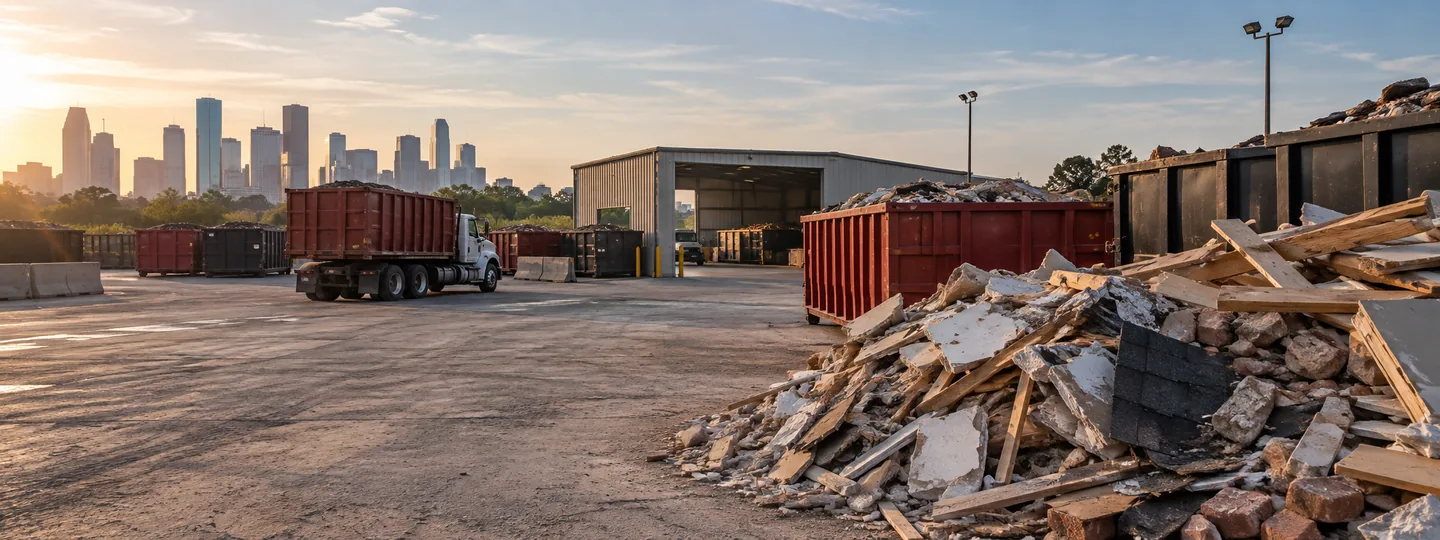
If a project truck or trailer is available, customer-hauled disposal can remove building debris in planned batches. Include loading, travel and unloading in that decision. A vehicle that spends the day making trips is not available for other project movements during that time.
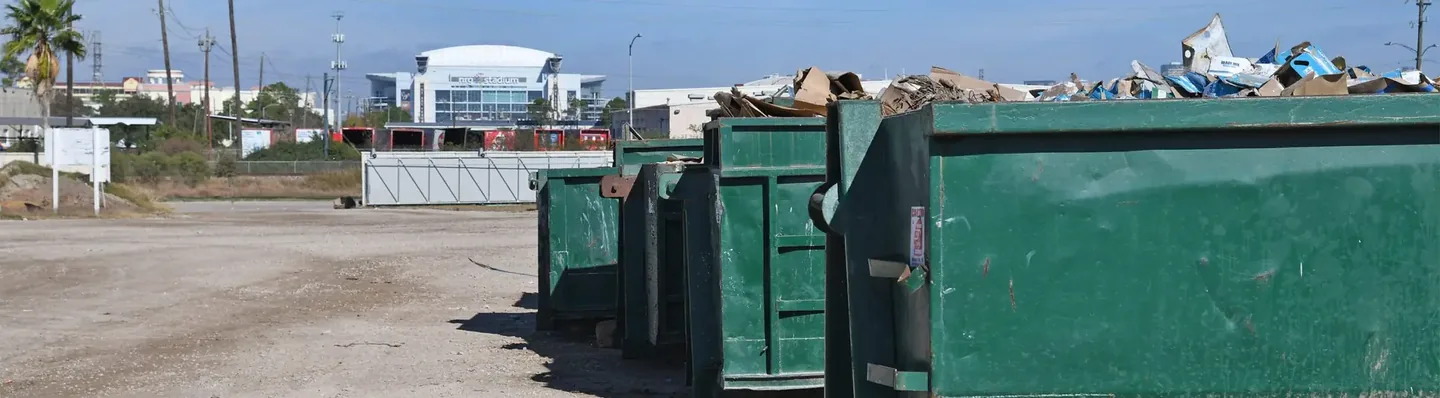
A temporary container can suit continuous wood and drywall generation or a site that needs a dedicated collection point. Commercial dumpster rental is the supporting choice when that arrangement fits. Your team still needs a loading plan that keeps excluded material out and the container accessible for collection.
For direct drop-off, use the Neuens Road station or Holmes Road station inquiry appropriate to the load. Holmes Road publishes Monday through Friday 7 AM to 5 PM and Saturday 7 AM to 1 PM, with Sunday closed. Bring a hard hat and safety vest for Tannahill arrival, check in and follow unloading directions.
Describe wood and gypsum debris for pricing
Give the approximate quantity and the main components. “Drywall with metal studs and framing lumber from an interior strip-out” is a useful description. Include the condition, any fixtures or unusual material and whether the load will arrive in a pickup, trailer or another commercial vehicle.
State how you estimated the amount. A trailer’s rated volume, a measured pile and a count of removed boards are different kinds of information. You can supply a planning estimate without presenting it as a measured weight. For repeated loads, indicate whether each trip carries the same mix or a different phase of the project.
Request the disposal price for the actual material and receiving destination. Keep cost comparisons consistent: a drop-off quote covers a different task from a container delivered and collected at your site. The disposal cost guide explains the scope details to compare before assigning the truck or ordering a rental.
Include the person coordinating the haul and a reachable contact number, so a changed quantity or material description can be addressed before the vehicle is dispatched.
What wood and gypsum mean for the load
Gypsum board is a composite material
Drywall commonly consists of a gypsum core with paper facing. A finished wall can add joint treatment, coatings, framing and other components. When the assembly is removed together, the debris is not simply an untouched sheet of gypsum board. Describe the whole mixture, especially where attached material changes the load.
Keeping new offcuts separate from mixed tear-out can preserve a clearer material stream. That can help a receiving inquiry identify what is present, even when the job ultimately uses mixed-C&D handling. Separation is a planning tool, not a statement that a yard provides dedicated gypsum recycling.
Wood shape, voids and load condition
Long framing pieces, pallets and irregular assemblies create spaces between pieces. Those voids increase the room a pile occupies without being solid material. Breaking or arranging components changes the occupied volume, but it does not remove their mass. Keep the transport plan tied to both material and quantity rather than assuming a trailer that looks full has a predictable weight. Describe wet or coated material as such so the quote reflects the actual load condition.
Answered Questions
Can wood and drywall travel together?
Qualifying wood and drywall can be described as mixed construction and demolition debris for the Holmes Road Tannahill inquiry. Identify the rest of the load too, including framing metal, fixtures or other material. Keep concrete, soil, shingles and prohibited items out of an assumed wood-and-drywall approval.
Is old drywall the same as clean construction offcuts?
Both can be gypsum-based building material, but a tear-out load can include coatings, fasteners, framing and attached components. Describe what was removed and what remains attached. A useful inquiry reflects the complete load rather than just the board visible on top.
Should wood be separated from concrete?
Keep dense rubble identifiable and plan its receiving path separately. At the Holmes Road facility, Houston Crushed Concrete handles concrete and pavement asphalt apart from Tannahill mixed C&D. This keeps a light-building-material inquiry from becoming an unexpected heavy mixed load.
Does this include removing drywall from the building?
This service concerns material you bring to a receiving location, with temporary dumpster rental as an option. Arrange the strip-out and jobsite loading with the project crew. Include transport and disposal in that plan so removed material has a destination as it leaves the building.
Arrange the next wood and drywall load
Send the material mix, approximate amount, vehicle and preferred station. Include attached or unusual components so the disposal inquiry matches the debris your crew will actually haul.