
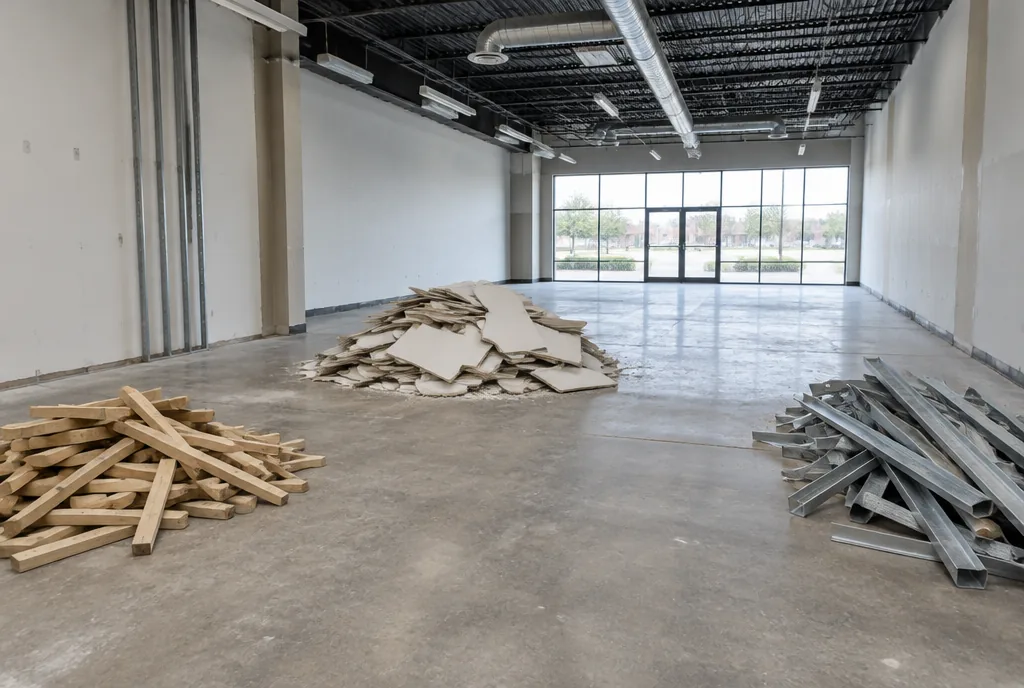
Which materials stay out of a construction debris load?
Keep liquids, hazardous materials, unidentified products and facility-excluded items out of an ordinary construction-debris load. For Tannahill at Holmes Road, dirt and roofing shingles are also excluded; concrete and pavement asphalt use a separate HCC receiving path.
Keep excluded and unidentified materials out of the mixed load
A mixed construction load should be a described stream of qualifying material, not everything left on the property. A commercial project can contain building debris, maintenance products, stored contents and process-related material. Their presence at the same address does not give them the same disposal route.
Identify unfamiliar items while they are still visible and separate. Do not conceal containers or questionable material under wood, wallboard or rubble. Once mixed, the project can lose the clear material description that supported the receiving request.
Use the construction-material guidance to describe the qualifying stream. Keep excluded or unresolved items outside it and establish their appropriate route separately. An ordinary C&D enquiry is not a hazardous-waste or industrial-process-waste service.
Know the Holmes Road exclusions
Tannahill does not accept dirt or soil, asphalt roofing material or shingles. Its prohibited-material guidance also excludes lead-acid batteries, used motor oil and oil filters, whole used or scrap tires, items containing Freon, liquid waste, regulated hazardous waste, PCB waste and radioactive materials.
Do not treat a load as acceptable simply because most of its volume is ordinary building debris. A restricted component still matters when it is a small part of the mixture. Describe the full load rather than only the largest or most familiar material.
Keep transfer-station rules distinct from rental rules. DW's dumpster guidance additionally excludes paint cans, gases or compressed chemicals, carcasses and medical waste. The commercial rental request needs its own complete material description; permission at a yard does not automatically authorize an item in a container.
Separate concrete, pavement asphalt and soil decisions
Concrete and pavement asphalt are handled separately by Houston Crushed Concrete at the shared Holmes Road facility. Keep those streams apart from mixed C&D and describe attached components, soil and unusual conditions. A concrete pile mixed with miscellaneous construction waste is a different receiving description from separated rubble.
Pavement asphalt is not asphalt roofing. Shingles do not become an eligible pavement load because both products use the word asphalt. Make the product identity clear in the initial request.
Dirt and soil are excluded from Tannahill. DW's designated 16-yard concrete/dirt rental setup is a container rule, not proof of a self-haul dirt destination. Avoid merging receiving and rental facts into a broader claim that every heavy construction stream can be brought to Holmes Road.
Treat industrial residues and suspect building materials separately
Industrial refurbishment can produce ordinary building material alongside process residues, chemicals and equipment contents. Keep those categories separate. Nonhazardous is not a general receiving approval, and a construction project at an industrial property does not establish that its process-related waste belongs in C&D.
Suspect asbestos-containing building material requires an appropriate specialist pathway, not casual identification or placement in a mixed load. Do not disturb, package or transport suspect material based on a general disposal guide. Use the project's responsible qualified personnel and applicable requirements to resolve it separately.
This commercial receiving service does not provide hazardous-material evaluation, remediation or industrial-waste treatment. For the ordinary construction stream, provide its origin, condition and components. The industrial renovation guide explains how to keep that building-work enquiry distinct.
Prevent restricted items from entering during the work
Explain the exclusions to the people who place material in the collection area. A clear initial plan can fail if a later trade, cleaner or property representative treats the container or truck as a general cleanup point. Assign responsibility for keeping the described stream identifiable.
Separate the staging area for unresolved items from the ordinary collection route. Use plain descriptions and keep the job contact available when something unfamiliar appears. Do not open, empty or combine unknown containers merely to reduce their space in the waste pile.
Before dispatch, compare the actual load with its reviewed description. If material has changed, update the request rather than sending the load under old instructions. Drop-off preparation should include that final project-level check as well as the driver's address and contact information.
Plan for material discovered late in the job
A final cleanout can expose items absent from the original estimate. Review the area before combining remaining debris and keep unfamiliar products or equipment contents outside the loading route. The last trip should meet the same description standard as the first.
For example, a crew may finish ordinary partitions and then find stored maintenance cans or an appliance in a back room. Those items need identification rather than being buried in a nearly finished C&D load. Their limited volume does not eliminate material-specific requirements.
Use one project contact to resolve a change and pass the instruction to the loader and driver. This keeps a discovery from silently changing an otherwise defined load. Preserve the distinction between an excluded stream and an incomplete description: restricted material needs another route, while an ordinary C&D enquiry may need better information before a receiving arrangement can be made.
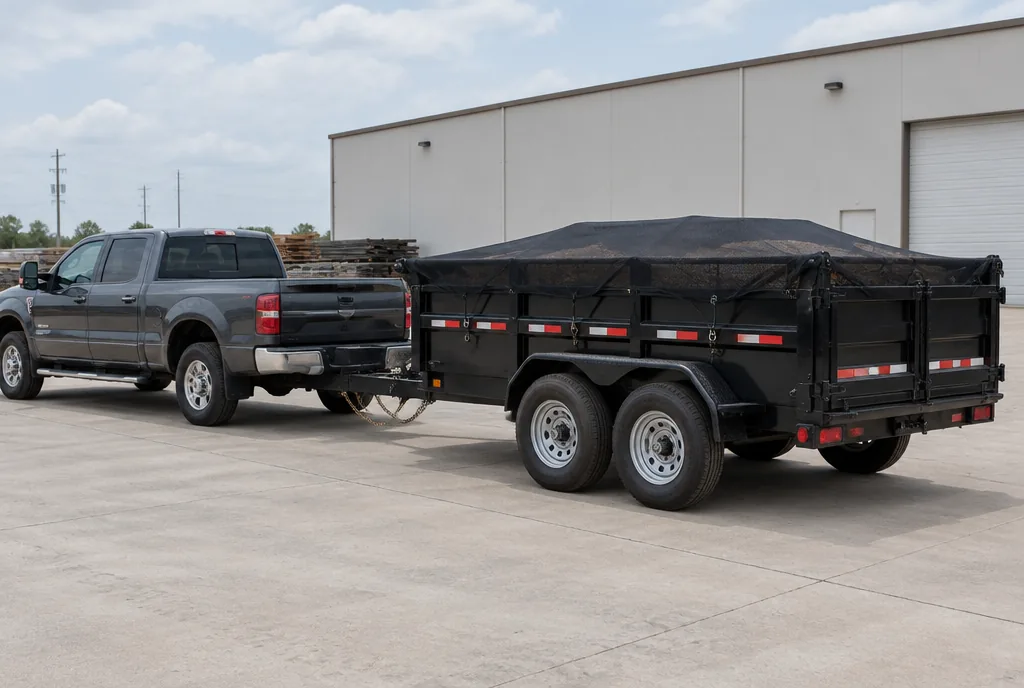
Technical detail: why material identity changes the disposal route
Material identity determines the route
Construction and demolition is a broad description of origin. Receiving rules apply to the actual material and condition. The distinctions between pavement and roofing, ordinary C&D and industrial residues, or a solid component and liquid contents remain important even when everything came from one work zone.
Keep the description usable from pile to receiving point
Use consistent names in the project inventory, collection instructions, quote request and dispatch record. Significant foreign material, attached components or unknown residues belong in the description. A generic label should not erase those details.
The useful output is an ordinary construction load with a clear receiving path and a separate plan for everything outside it. This supports practical commercial disposal without turning a restricted-item list into instructions for handling specialist waste. Send the qualifying material description with approximate amount, vehicle and timing before the truck leaves.
Answered Questions
Can an empty can go in the same load as wood and drywall?
Do not assume that. DW rental guidance excludes paint cans, while unidentified products and residues need their own decision. Describe the item and keep it outside the ordinary stream until its route is established.
Why distinguish pavement asphalt from roofing material?
They are different products with different receiving rules. Tannahill excludes shingles and asphalt roofing, while pavement asphalt is handled through the separate Houston Crushed Concrete operation.
Does calling waste nonhazardous make it acceptable?
No. Material origin, composition and facility rules still apply. In particular, nonhazardous industrial waste is not automatically ordinary C&D, and the receiving route must match the actual stream.
Send a clear construction-load description
List the qualifying materials, approximate quantity, vehicle and timing. Keep restricted and unidentified items separate from the debris being proposed for receiving.