
Construction waste disposal in Memorial City
Construction waste disposal in Memorial City gives commercial project teams a receiving plan for building debris removed from occupied offices, shops and other business properties. Bring your own load to DW Companies on Neuens Road or Tannahill on Holmes Road. Identify the removed materials and collection plan first; concrete and pavement asphalt need a separate receiving arrangement.
Plan commercial construction debris from Memorial City properties
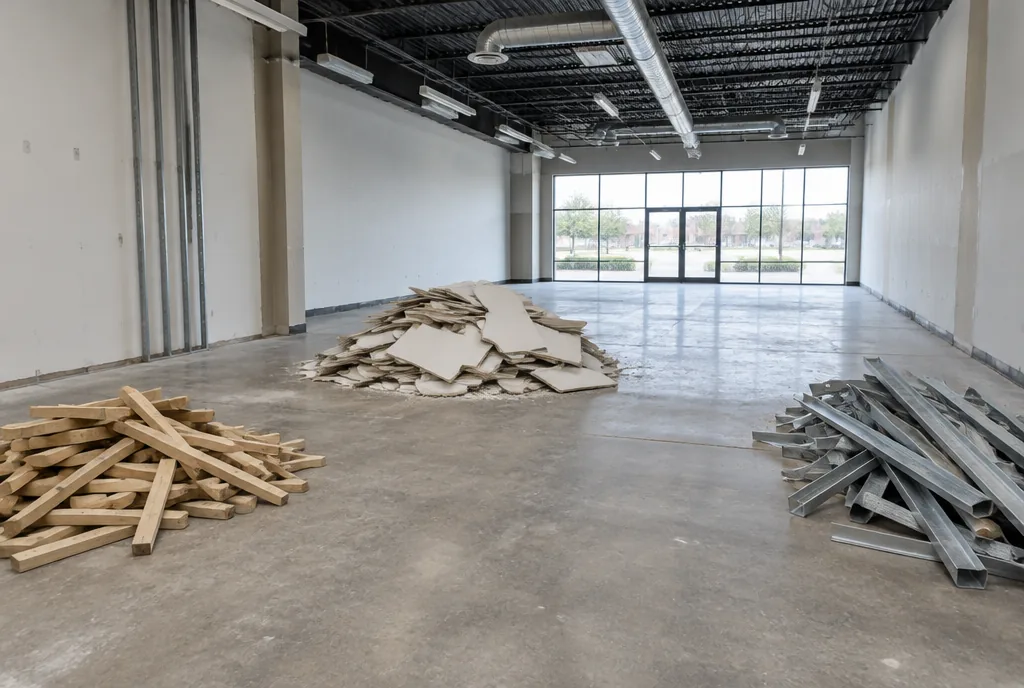
An office partition removal and a business clear-out are different scopes. Wood, drywall and metal from building work can form a construction-debris load. Desks, stock, display fixtures, equipment and leftover products need their own descriptions. Start with what is physically leaving the property, rather than a work order labeled “office cleanup.”
DW Companies at 9461 Neuens Road, Houston, TX 77080, receives qualifying waste through an arrangement for the particular material. Call 713-465-7231 to describe the load. Tannahill receives qualifying mixed C&D at 1800 Holmes Road, Houston, TX 77045, including wood, drywall, metal, plastics and cardboard.
For Tannahill's mixed stream, keep dirt, roofing shingles, liquids, chemicals and hazardous or regulated materials out. Medical waste and industrial process waste require their appropriate specialist routes. Concrete and pavement asphalt use the separate Houston Crushed Concrete operation at Holmes Road, 713-799-2000. The construction material guide helps distinguish those streams before loading.
Release building debris without clearing retained property
Retained contents and removed fixtures
Before a tenant improvement begins, have the property representative and contractor identify what stays, what moves elsewhere and what is released for disposal. For example, a hypothetical office refit may remove gypsum-board partitions while retaining desks and computer equipment for the next space. A pile near the work area does not by itself establish that everything in it is debris.
List bulky fixtures separately, including their material and any attached electrical or refrigeration components. This gives the receiving request a useful description and helps the loader avoid combining ordinary construction waste with equipment or controlled contents. Follow the excluded-material guidance for items requiring another route.
Trade-by-trade material changes
The material can change as a renovation progresses. Initial strip-out produces removed assemblies; installation adds offcuts and packaging; an exterior phase may produce pavement rubble. Keep the collection instructions current as each trade starts. A designated person can release the next batch and record a changed mixture before the driver leaves. This is especially useful when the contractor arranging disposal is different from the person loading the vehicle.
Coordinate the collection area with the hauling trip
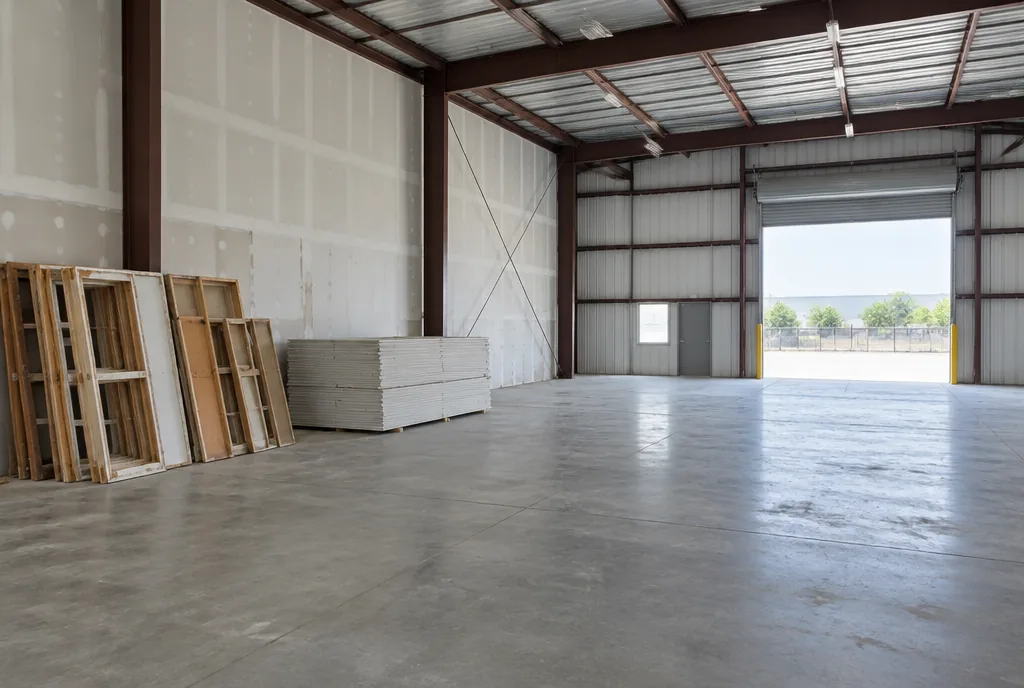
On an occupied property, coordinate the collection point with the property manager's actual access arrangements. Identify where debris can wait, how it reaches the loading vehicle and which routes must remain usable by tenants and deliveries. Confirm the intended collection window with the people controlling the property, rather than assuming every commercial building has the same loading facilities.
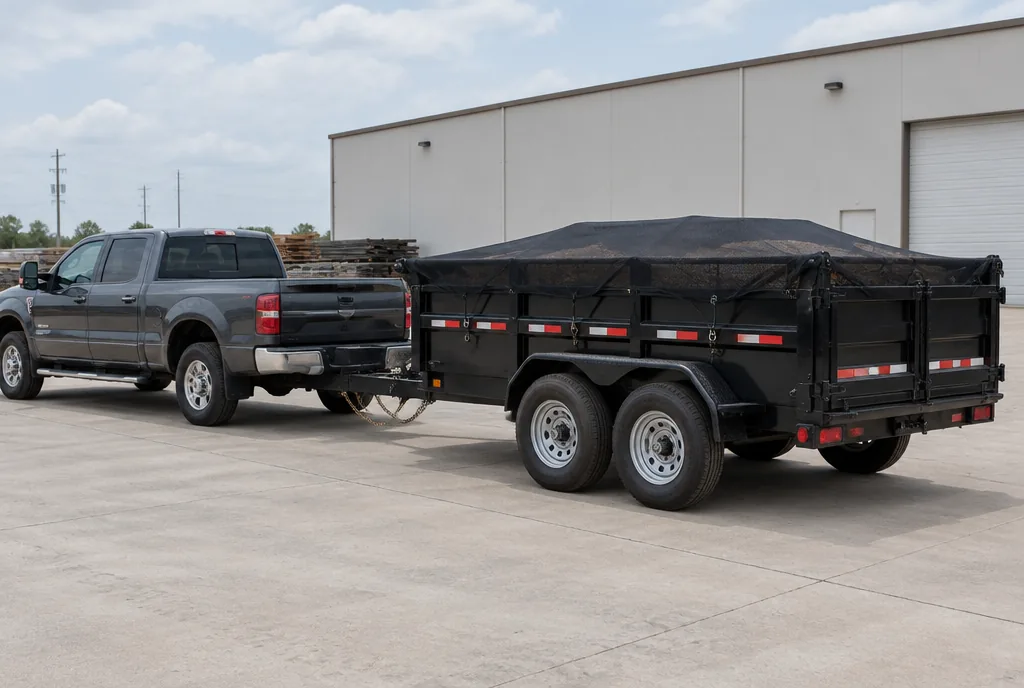
Customer hauling works when a suitable vehicle and driver can collect a completed batch. Include the round trip in the work plan, particularly when the same driver is needed for another project task. A truck's nominal volume does not establish its allowable material weight.
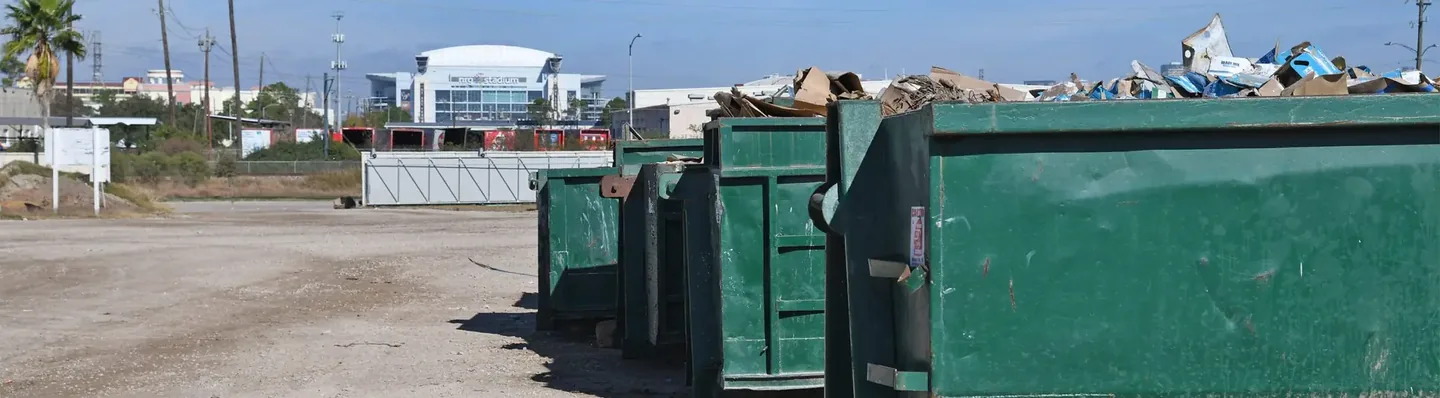
A temporary commercial dumpster can provide a continuing collection point when placement and collection access fit. Your team loads the container, with loading assistance arranged separately if needed. Compare that scope with self-haul using the actual debris, quantity and work sequence, so the transport choice serves the renovation.
Send a load description that survives the handoff
A useful handoff gives the property manager, contractor and driver the same job reference and material description. Record the origin address, materials and condition, approximate quantity, vehicle, intended day and receiving operation. Keep the receiving address distinct from the office or store where the debris is collected.
For example, “removed wood and drywall partitions, one partly filled dump trailer” identifies more than “tenant waste.” Add metal framing, attached finishes or large fixtures when present. If a later load contains a different material, change the instruction instead of copying the first description to every trip.
For several planned loads, list the expected sequence and nominate a contact who can explain changes. Give the driver the arranged receiving instructions before departure. Tannahill at Holmes Road requires a hard hat and safety vest, check-in and directed unloading. Use the drop-off checklist to keep those details with the vehicle.
Price the actual movement of renovation waste
Compare quotes for the same task. A disposal request covers qualifying material your vehicle brings to the receiving operation. A rental request adds an agreed container, delivery and collection arrangement. Loading labor, the time a project vehicle spends away and any separate material movement belong in the project comparison.
Give quantities with an estimate basis. Floor area alone does not describe the thickness or composition of removed assemblies. Loose framing traps air; broken concrete can be much heavier in a smaller space. A trailer's capacity also differs from its actual filled volume. The load-estimate guide explains how to describe those differences.
Request the price for the actual mixture and sequence rather than carrying another site's rate into the job budget. Include the intended day and vehicle for disposal, or the property ZIP code, material, approximate amount and access needs for a container. The cost guide helps organize a comparable request.
Memorial City around I-10 and Gessner Road
Memorial City is a Houston mixed-use district along I-10 and Gessner Road, with offices, shopping, dining, hotels and residential uses. That combination gives the area a recognizable daily pattern of business activity alongside people living and visiting nearby.
One Memorial City Plaza at 800 Gessner Road, near Gessner and Barryknoll, is one of its office landmarks. The district's name is more specific than the broader Memorial area. When arranging work, the individual building and suite address are more useful than a general Memorial label.
Commercial renovation planning here starts at the actual property: what is being removed, who releases it and how it reaches the collection point. For work farther along Long Point Road, see Spring Branch disposal planning. The service-area hub connects project locations with the existing receiving facilities.
Answered Questions
Can a tenant renovation include office furniture in the construction load?
List furniture separately from removed drywall, framing and other building debris. Include the type, material and any attached equipment so its handling can be arranged appropriately. A tenant renovation label does not describe every item being discarded or establish one receiving route for all business contents.
How should several trades share a collection point?
Agree which materials belong there and identify the person who releases them for loading. Keep retained stock, equipment and excluded waste separate. Update the description as strip-out gives way to installation or exterior work, and pass the revised contents to the hauling contact.
Does building work at a medical property make clinical waste acceptable?
No. Ordinary building debris and clinical waste are separate streams. Keep medical waste, sharps, chemicals and other controlled materials out of the construction load and use their appropriate specialist handling. Describe the actual renovation debris rather than labeling the entire load by the type of property.
Should an occupied property use a container or its own hauler?
Compare the actual collection space, material sequence and available vehicle. A container can collect debris while work continues, subject to the placement and pickup plan. Self-haul can remove completed batches but uses a driver and vehicle for the full trip. Loading is a separate project responsibility.
Which location should the driver receive?
Give the agreed operation, address, material and arrival instructions. DW Companies receives qualifying loads at 9461 Neuens Road; Tannahill mixed C&D is at 1800 Holmes Road. Concrete or pavement asphalt at Holmes Road follows the separate Houston Crushed Concrete arrangement, even though the destination facility address is shared.
Turn the renovation scope into a disposal request
Send the released materials, approximate quantity, vehicle and intended receiving day. Include the actual Memorial City project ZIP code and access needs if a jobsite container is the better fit.