
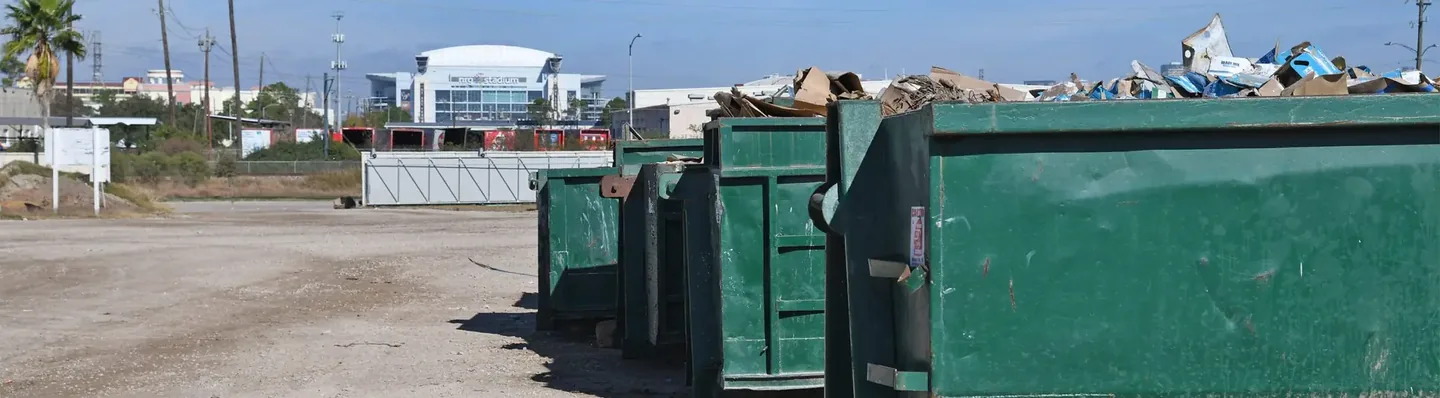
Construction waste disposal in Jersey Village
Construction waste disposal in Jersey Village starts by separating pavement rubble, soil and mixed building debris, then arranging the receiving path for each customer-hauled load.
Keep construction debris separate from household bulky service
Construction debris needs its own disposal plan in Jersey Village. The city’s household bulky and heavy-waste service excludes construction debris, so a contractor’s building-material load belongs on a separate commercial receiving path. Keep that movement in the project plan instead of leaving it for a residential collection day.
DW Companies receives qualifying waste at 9461 Neuens Road, Houston. Describe your material, its source, approximate quantity and vehicle to DW at 713-465-7231 for the receiving inquiry. The jobsite stays in Jersey Village; the driver goes to the actual receiving address and follows the instructions for that load.
For the Holmes Road alternative, Tannahill accepts qualifying mixed construction and demolition debris at 1800 Holmes Road. Dirt and roofing shingles stay out of that mixed load. Concrete and pavement asphalt have a separate Houston Crushed Concrete receiving inquiry at 713-799-2000. Keep liquids, hazardous materials and unidentified products out of an ordinary C&D load. These distinctions matter before loading, because a combined pile can require more than one material decision.
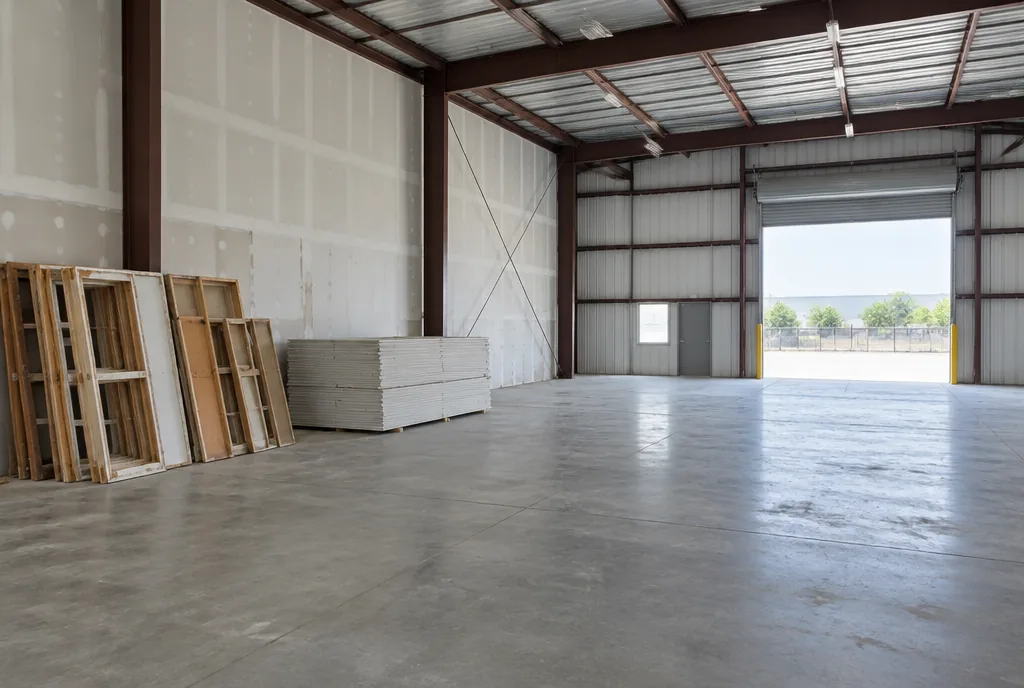
Choose a contractor truck movement or an on-site container
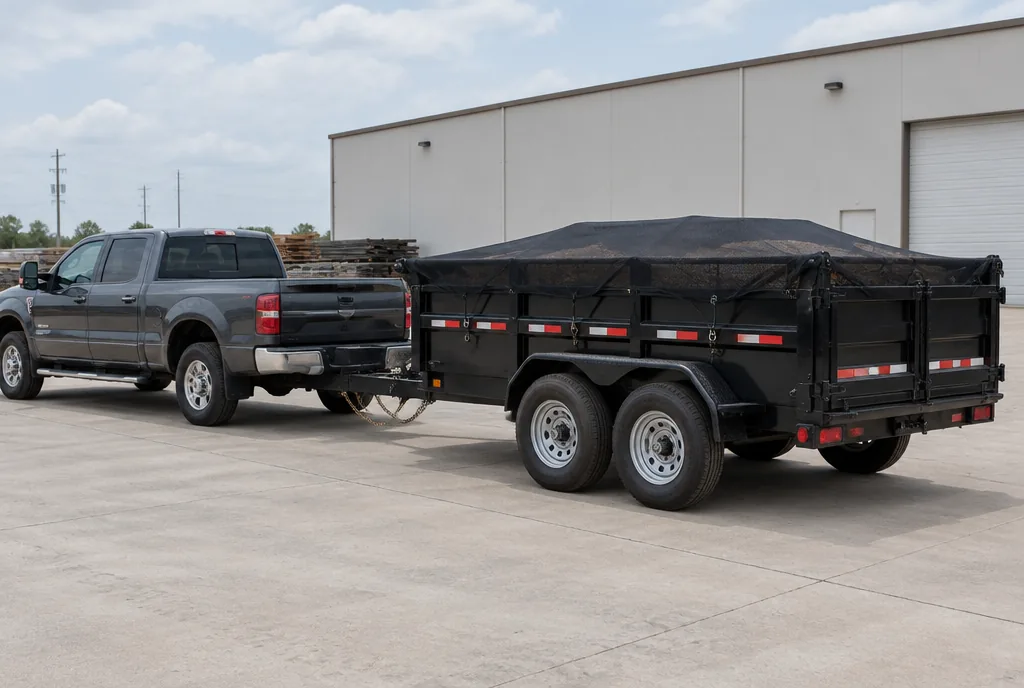
Self-haul works when your contractor has a suitable vehicle, a driver and a way to load the defined material. A pickup or trailer movement can clear a staged batch without keeping a container at the property. Describe the vehicle and unloading arrangement with the load so the receiving plan fits what will actually arrive.
A temporary dumpster serves a different collection need. It can stay at an appropriate jobsite location while debris accumulates, allowing the work vehicle to stay with the crew. The customer loads the container; loading assistance is arranged separately. Choose the commercial dumpster option when ongoing collection is the constraint rather than making it the default for every project.
Compare the complete work pattern. One defined batch with transport ready differs from a refurbishment producing material over several days. Consider the driver’s availability, loading effort, room for collection and the number of expected movements. The better arrangement is the one that fits those inputs and the actual waste stream. Switching to a container does not change which materials need separate handling.
Price the whole material movement
A useful quote describes both the debris and the work needed to move it. State the material, whether it is clean or mixed, the quantity range and how it will be unloaded. Add the vehicle or trailer configuration and the receiving location you have in mind. Those details are more informative than asking for the price of “one truck,” because trucks and loads differ.
Keep disposal and transport costs visible in your comparison. A lower receiving charge does not automatically mean a lower total project cost if the movement takes another vehicle or pulls a worker away from the job. Conversely, an available vehicle and a defined load may make self-haul practical. Use the actual quote and your own transport arrangement to compare the options.
When several phases will produce debris, describe the first movement and what may follow. The next phase may contain a different material or a much denser load. A load-specific disposal inquiry gives the receiving team a concrete starting point and gives your project manager a clearer basis for planning the next departure.
Plan separate truck streams for pavement and building debris
A commercial refurbishment or hardscape job can produce several streams at once. Keep their identity from the loading point through the receiving handoff. A material list is useful only if the load that arrives still matches it.
Concrete and pavement asphalt
Keep concrete and pavement asphalt distinct from soil and mixed interior debris. Reclaimed concrete can be crushed into aggregate, while reclaimed asphalt pavement can be processed for reuse in pavement work. That explains why the material’s composition matters: a pile of pavement rubble is a different receiving question from a mixed truck of building finishes.
At Holmes Road, Houston Crushed Concrete handles the concrete and pavement-asphalt inquiry separately from Tannahill. Describe the rubble, its source and any other material in it before arranging that movement.
Soil and mixed building debris
Excavated soil is a separate stream from wood, drywall and other building materials. Tannahill excludes dirt and shingles from its mixed-C&D receiving. Mixing soil into building debris therefore changes the load rather than simplifying the disposal plan. Identify each stream while it is still easy to keep apart.
A receiving handoff for each stream
Give the driver the material description, quantity, vehicle configuration and the named receiving operation’s address and contact. Update that information when the project changes phase. A commercial hauler handoff should connect the actual truck to the actual load, with current unloading instructions rather than a broad description reused for every departure.
Jersey Village around US 290 and Senate Avenue
Jersey Village is an independent city in Harris County, with US 290, Senate Avenue, Jones Road and Lakeview Drive providing familiar points of orientation. The city’s planning work includes commercial-property revitalization along its corridors, alongside the residential streets and public spaces that shape everyday community life.
Carol Fox Park at 15970 Acapulco Drive is one of those community destinations. The Lakeview Drive civic area and the commercial approaches near US 290 give the city a recognizable identity of its own. Use your actual project address when arranging a debris movement, especially when a nearby Houston or Cypress address is described informally as being near Jersey Village.
For commercial work, the practical connection is straightforward: describe the building or hardscape material leaving that site, choose its receiving path and give the driver a complete destination. The local project and the receiving operation each have a clear place in the plan.
Get a quote for the Jersey Village construction load
Send the material source and condition, estimated quantity, vehicle or container arrangement, unloading needs and timing. If a project will produce concrete first and interior debris later, identify both phases separately. That makes the inquiry useful without treating all future material as the same load.
Choose customer-haul drop-off when the driver and loading arrangement are in place. Choose a temporary container when collection needs to stay at the property. Request a disposal quote with those details, or call DW at 713-465-7231 to discuss the Neuens receiving path. The resulting load-specific plan is the basis for dispatch.
Answered Questions
Can construction debris go out with Jersey Village bulky pickup?
No. Jersey Village excludes construction debris from household bulky and heavy-waste service. Arrange a separate commercial movement for the contractor load. Identify its material and receiving destination before it is loaded, rather than treating the household collection schedule as a construction-disposal arrangement.
Where should concrete from a Jersey Village project go?
Keep concrete and pavement asphalt separate from mixed building debris and soil. Houston Crushed Concrete handles the separate rubble inquiry at the Holmes Road facility; call 713-799-2000 with the material description. Tannahill’s mixed-C&D operation at the same street address has different material rules.
Can one truck carry soil, pavement and building debris together?
Do not combine those materials under one acceptance assumption. Soil, pavement rubble and mixed C&D are separate receiving decisions, and Tannahill excludes dirt and roofing shingles. Keeping streams apart at the loading point preserves a clear description and avoids turning a defined load into an unidentified mixture.
When is self-haul a better fit than a dumpster?
Self-haul can fit a defined eligible load when a suitable vehicle, driver and loading arrangement are available. A dumpster can fit ongoing collection or a project that needs its vehicles elsewhere. Compare the complete movement and available site space, while keeping material eligibility separate from the collection method.
What should a contractor include in the disposal quote?
Include material, source, condition, approximate quantity, vehicle configuration, unloading needs, preferred receiving operation and timing. Mention later phases when they may change the waste stream. Those inputs help establish a receiving plan for the actual load instead of relying on a generic truckload description.
Plan the next Jersey Village debris movement.
Describe the material, quantity and vehicle for a commercial disposal quote. Keep pavement rubble, soil and mixed building debris identified so each movement follows the right receiving path.