
Self-haul or dumpster rental for construction debris?
Self-haul works best when you have a suitable vehicle, a driver and an eligible receiving destination. Dumpster rental is useful when you need waste collection at the jobsite while work continues. Choose around the project workflow, then compare the complete cost.
Use self-haul when the truck and driver are already part of the plan
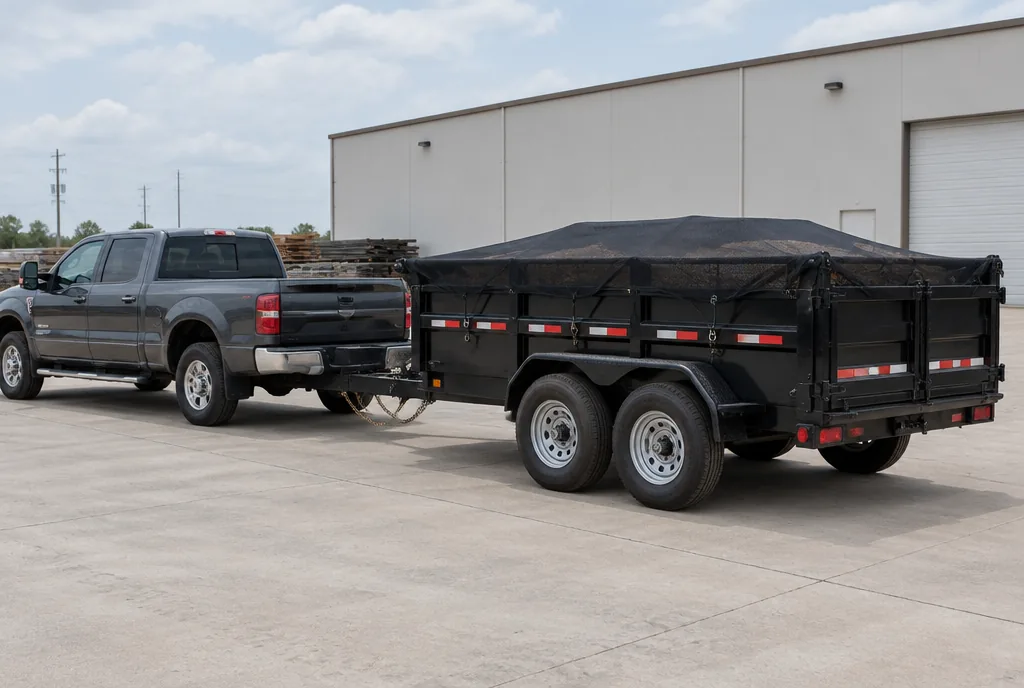
Self-hauling puts the loading and transportation plan with your project team. It can fit a defined pile that is ready to leave, particularly when a suitable truck or trailer is already available. The receiving destination still needs the material description, quantity and vehicle details before the trip is arranged.
Think beyond whether the debris fits. The driver must leave the job, arrive during receiving hours, follow unloading instructions and return if another trip is needed. If that person also operates equipment or supervises the work, the trip affects more than fuel cost. Make that allocation explicit in the daily plan.
The practical next step is to describe your load through commercial hauler drop-off planning. For mixed C&D, identify the main construction materials. Keep separated concrete and pavement asphalt on a material-specific receiving path rather than mixing them for convenience.
Use a rental when collection at the jobsite is the bottleneck
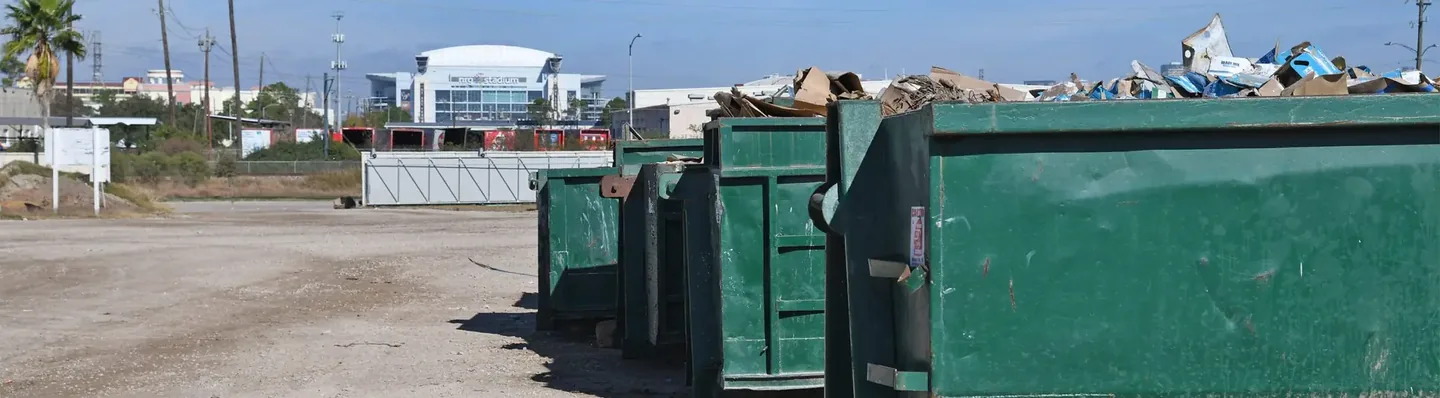
A rental places a container where debris is being generated. Your crew can collect approved material during the work instead of dedicating a vehicle to every movement. This can help a renovation that produces waste over several days, especially where the same truck is needed for deliveries or other duties.
The container requires a suitable placement and enough access for delivery and collection. A spot that is convenient for workers may obstruct deliveries, parking, tenant access or later pickup. Plan the entire period the container will remain, including how changing site activity could affect the collection route.
Commercial dumpster rental is the secondary option when jobsite collection better fits the work. Loading and site labor need their own arrangements. Container volume, accepted material and allowed load must be considered together; a larger box is not automatic permission for heavier debris.
Compare responsibilities before comparing prices
| Decision | Self-haul | Dumpster rental |
|---|---|---|
| Collection | Your vehicle or staging area holds the waste | A delivered container collects approved debris |
| Transport | Your team plans the vehicle and driver | Delivery and pickup follow the agreed rental terms |
| Jobsite access | Loading and vehicle movements need space | Placement and later collection access need space |
| Estimate | Receiving plus loading, vehicle and trip costs | Container, period, disposal and transport terms |
Use the comparison to assign responsibilities, not to assume a universal winner. A project can use a container for bulky mixed debris and a separate self-haul movement for a suitable segregated stream. Keep the material plan clear before choosing equipment.
Record who will arrange transport, who will load and who will approve a change. A container order or disposal quote should not leave those responsibilities implied.
How material and site access change the choice
Heavy rubble can change a plan that appears sensible from volume alone. Concrete and dirt require DW's designated 16-yard rental setup and material-specific limits. That rental rule does not establish permission to drop dirt at Tannahill, where dirt is excluded. Concrete and pavement asphalt receiving at Holmes Road belongs to Houston Crushed Concrete separately.
For self-haul, select a vehicle suited to the actual load and unloading arrangement. For rental, describe the heavy material before comparing box sizes. An awkward, dense load can reach an operating limit before it visually fills the available space.
Also consider whether loading activity can be separated from customer or tenant traffic. A trailer that moves frequently may need repeated access; a roll-off occupies a defined area over time. Neither option solves a tight site merely by being familiar equipment. Compare the real approach, loading location and departure route.
Plan a phased renovation without double handling
Consider an example: a commercial interior renovation removes doors and partitions first, then creates a separate dense flooring stream later. The early material may need collection while several trades are working. The later stream may suit a separate receiving decision and movement. Planning by phase prevents the final load from becoming a mixture that no longer matches the original description.
A useful sequence is to identify each stream, reserve space for collection, assign equipment and arrange the destination. Avoid moving material into a temporary pile only because the final container or vehicle has not been planned. Every extra transfer uses time and can mix streams that were initially separate.
Where project stages differ substantially, write two short plans rather than one vague waste allowance. Multiple-load planning connects the phases, drivers and receiving information without assuming every trip has the same contents.
Choose where material waits between phases
Collection space is part of the comparison. A trailer occupied by waste may no longer be available for tools or deliveries. A stationary roll-off can hold the collection role, but its placement must remain compatible with the work and pickup. Identify the resource you need to release before deciding that either method is more convenient.
In a phased commercial renovation, identify the day waste begins accumulating and the point when the work area must be clear. Compare the methods against that sequence. This turns a general rental-versus-hauling debate into a specific decision about collection, equipment use and the next movement.
For a small project, write both options on one page using the same material and dates. Comparing equipment, labor and receiving terms together exposes which part of the work each option actually solves. Keep any materially different stream in a separate comparison rather than hiding it in a shared allowance.
Technical detail: capacity, trips and staging
Nominal space and allowed load are different
A container's cubic-yard size describes volume. The amount of weight it may carry depends on the equipment, material and agreed terms. Empty space is not evidence that more dense material can be added. Use the material-specific limit even if the load looks low.
Trip count follows the limiting factor
In a self-haul plan, available space can limit a bulky load while allowable payload can limit a dense one. Estimate trips from the usable capacity for that material, not just from the vehicle's outside dimensions. Keep the final loading decision with the applicable vehicle and receiving requirements.
Compare operational flexibility too. A staged container can stay available while work progresses, but it needs clear pickup access. A trailer can move between tasks, but only if its waste load is removed and the driver is available. Your decision should identify which resource is scarce: collection space, transport capacity, labor or time. That is the constraint the chosen disposal method should solve.
Answered Questions
Can a commercial project use both methods?
Yes. A project can use a rental for ongoing collection and self-haul a separately described material stream. Arrange each receiving path independently so the convenience of two methods does not create an incompatible mixed load.
Is a rental a loaded junk-removal service?
A container rental provides the agreed container and transport arrangement. Your project still needs a loading plan; do not assume a crew to carry or dismantle material is included.
Which choice should I make before comparing prices?
Identify the material and the project bottleneck first. If truck and driver time are available, assess self-haul; if collection at the work area is the problem, assess a container. Then compare complete terms for the same waste stream.
Choose the collection plan for your project
Describe the debris, timing, vehicle availability and jobsite access. Request a receiving quote or a commercial container plan that fits those conditions.