
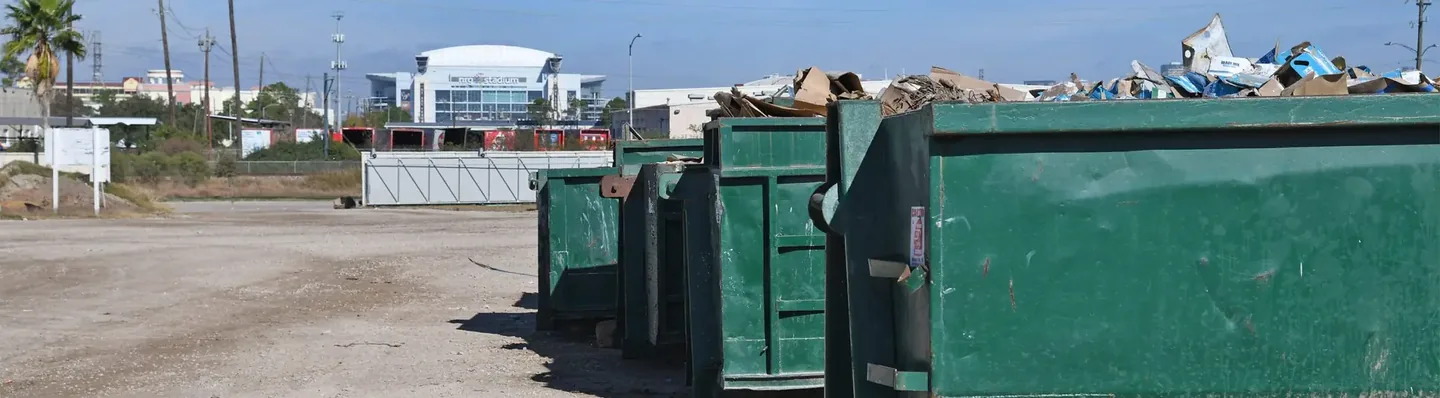
Construction waste planning guides
Construction waste planning guides help contractors and haulers choose a disposal method, separate materials and prepare the next load. Start with the decision affecting your project, then use the relevant disposal service or location page.
Choose the disposal method
Self-haul versus dumpster rental compares using your own transport with arranging a container at the jobsite. Consider crew time, access, available equipment and how long waste will accumulate. The best comparison is the complete project workflow, rather than a single disposal charge.
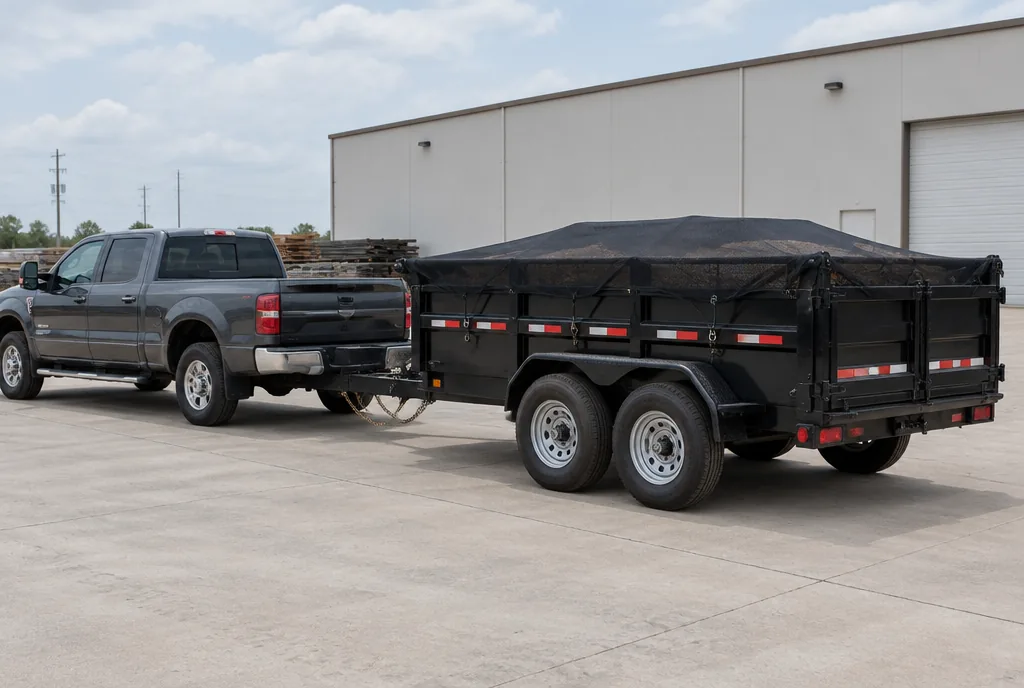
Dump trailer versus roll-off focuses on equipment and collection decisions. Container size, rated capacity and the material are different questions; a large volume does not establish a permitted heavy load. Transfer station versus landfill explains why a receiving destination and final disposal facility are not interchangeable terms.
Once you know which arrangement fits, move to construction debris disposal for a customer-hauled load or commercial dumpster rental for a jobsite container.
Prepare the material and equipment
The drop-off preparation guide follows the handoff from the project office to the driver and receiving yard. It covers the material description, destination, arrival information and practical preparation that should be resolved before the trip.
Separating construction debris explains how distinct material streams affect receiving choices. Materials that stay out of a debris load identifies exclusions and the difference between ordinary C&D and specialist streams. Neither the project type nor a material’s appearance alone establishes eligibility.
Use load estimates to put a useful quantity description behind a quote. The guide keeps approximate volume separate from weight and the transport equipment’s limits. For the operator-specific starting point, review accepted materials.
Plan commercial project streams
Industrial renovation debris addresses building refurbishment in industrial settings while separating ordinary construction materials from process waste. A warehouse strip-out does not make chemicals, residues or sludges part of a standard C&D load.
Road construction debris examines pavement-related streams and the distinction between concrete, asphalt, soil and mixed spoil. Heavy material needs a defined receiving path, and pavement asphalt is different from roofing shingles.
For building demolition or commercial strip-out, use the dedicated demolition and renovation disposal pages. Those pages explain the disposal decisions for each project type and help you describe the resulting load.
Track loads and quote inputs
Multiple-load planning helps organize phased work and changing material streams. Link each planned load to its composition and receiving discussion so a later trip does not rely on assumptions from an earlier one.
Disposal cost inputs explains the material, quantity, handling and service details that make a quote meaningful. Use those inputs to request a quote for the material and amount you actually need to move.
Construction waste records helps identify what your project needs to retain. Raise specific contract or reporting requirements before arranging disposal; do not assume that every yard supplies the same record, recycling certificate or reporting service. When the load is ready to discuss, send a disposal request with the relevant project details.
Answered Questions
What should the driver have before leaving the project?
Give the driver the receiving operation, address, contact number, load description and agreed arrival instructions. Keep the quote and any vehicle or unloading requirements with those details.
Where should I go after choosing a disposal method?
Use the relevant disposal or rental service page, then describe your material and quantity in the quote form. For a customer-hauled load, include Neuens Road, Holmes Road or help choosing a destination.
Put a receiving plan behind your next load.
Share the material, approximate quantity and preferred location to request disposal instructions and a quote.