
What affects construction waste disposal costs?
Construction waste disposal costs depend on what is in the load, how much you bring, the receiving arrangement and the work needed to get it there. Compare the complete trip rather than choosing a destination from a gate price alone.
Compare the full disposal trip, not just the gate charge
A disposal estimate has two parts: receiving the material and moving it from the project to the receiving operation. Your own truck does not make transport free. Driver time, loading time, fuel and the time the truck is unavailable for other work belong in the comparison. A lower receiving charge can become the more expensive choice if the trip consumes another work cycle.
Start with a defined load rather than a general request for a construction-waste price. Describe the project, main materials, approximate quantity, truck or trailer and planned arrival. The useful result is a price attached to that particular material and receiving plan. Use the construction debris disposal service for mixed C&D, and keep separated rubble on its appropriate path.
Material condition changes the receiving path
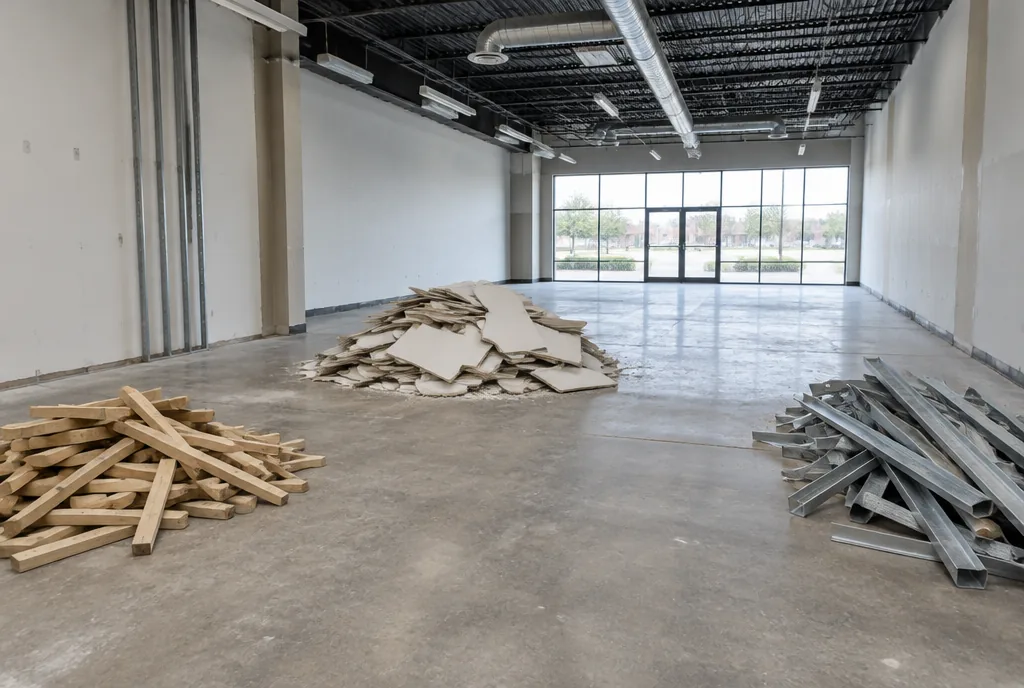
Wood, drywall and packaging form a different load from broken concrete or pavement asphalt. A project may produce all of them, but that does not make them one receiving category. Separating dense rubble before loading makes the material easier to describe and preserves the opportunity to use the appropriate receiving operation.
At Holmes Road, Tannahill handles qualifying mixed C&D. Houston Crushed Concrete handles concrete and pavement asphalt separately at the shared facility. Tannahill does not accept dirt or roofing shingles. For Neuens Road, include the complete material description in the load request so the receiving arrangement can be matched to it. Do not price an excluded material as if it were ordinary mixed debris.
Describe mixtures and attached material
A concrete load with soil, framing or other debris is not the same description as separated concrete. Name significant coatings, attached components, oversized pieces and unknown contents. A clear description improves the estimate before loading decisions make the mixture harder to change.
Quantity, load basis and extra handling
A quantity estimate needs a unit. Cubic yards describe occupied space; tons describe weight. A truck or trailer description helps explain how you intend to bring the waste, but it is not a substitute for either measurement. The receiving quote should make clear which quantity or load basis applies to the actual job.
Compare the complete charge and any conditions rather than assuming every yard measures the same way. Establish whether a minimum, particular material category or special handling applies to your load. Keep these terms with the job estimate. When comparing two quotes, use the same material description and quantity on both requests.
Do not treat a competitor's posted rate as the price for either receiving destination here. A published per-yard example from another facility may use a different load definition, minimum or unloading arrangement. Prepare a useful quantity estimate first, then request the terms for your own load.
Keep the compared scope identical
If one request describes a mixed trailer load and another describes only separated concrete, the resulting prices do not answer the same question. Put the same material list, estimated quantity and vehicle in each request. Record any difference in unloading or receiving conditions alongside the figure so the project can compare complete options.
For repeated work, keep the estimate beside the actual trip records. A change in total cost can then be traced to added material, another movement or changed terms instead of becoming an unexplained overrun.
Self-haul costs that belong in the estimate
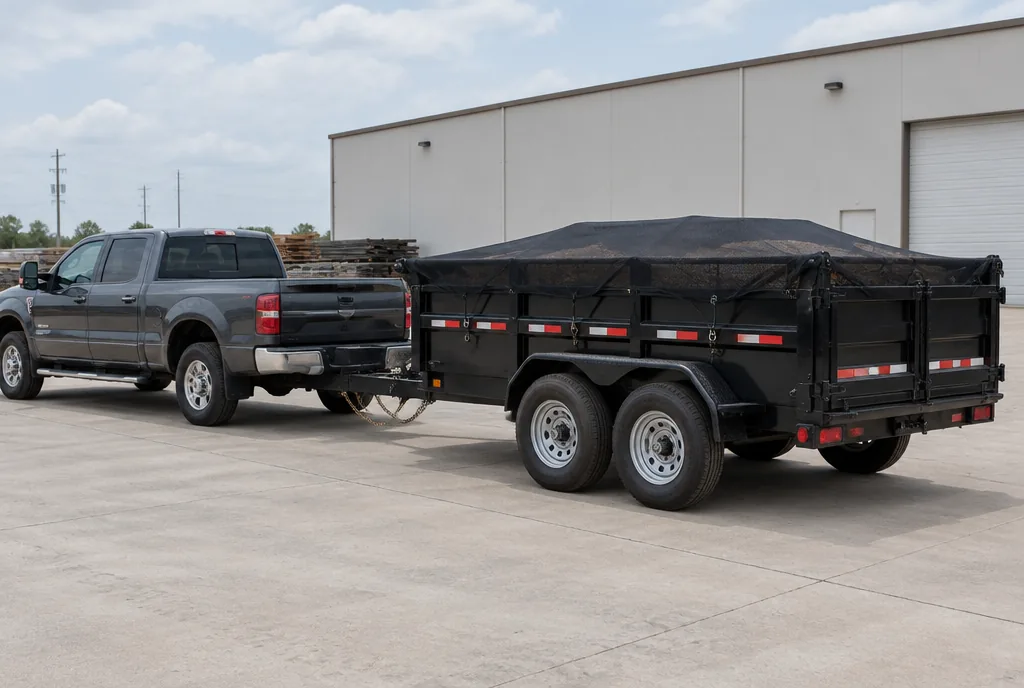
For a self-haul estimate, list the truck, driver, loading equipment and expected movements. Include the return to the project if the truck must make another trip. A small job may need only one movement; a phased demolition can keep producing material while the first truck is away. That difference changes the value of staging space and additional capacity.
For a rental comparison, establish the container, accepted material, rental period, disposal allowance, delivery and pickup terms and possible additional charges. Those terms should be compared with the same project's self-haul plan. A rental can collect material as the work progresses; self-haul uses equipment and labor to move each load.
For example, a contractor with an available dump trailer may find a single load practical to haul. If that same trailer is needed to move tools all week, leaving it loaded with waste has an operational cost. Compare both paths using the self-haul versus rental guide.
Build a quote request that can be compared
Send one concise request with the material, estimated quantity, vehicle and date. Add the preferred receiving location and explain whether the waste is separated or mixed. For repeated loads, distinguish the first load from the expected project total. A price for one described load should not silently become the assumption for every later phase.
Keep the response with the estimate and share the receiving instructions with the person dispatching trucks. If the material changes after walls, pavement or equipment are removed, update the description before applying the earlier quote. The office and driver should work from the same approved information.
A useful comparison ends with a selected receiving path, applicable price basis and practical movement plan. It does not end with a disconnected number. Request a disposal quote with your load details, including anything that might require a separate receiving decision.
Technical detail: volume, weight and minimum charges
Volume does not tell you weight
A cubic yard is a volume of 27 cubic feet. Two piles can occupy the same space yet impose very different vehicle loads because their materials and empty spaces differ. An irregular pile of framing has air gaps; broken mineral material packs differently. Do not turn a volume estimate into a weight estimate without an appropriate basis for that specific material.
Separate the project total from the dispatch limit
The total estimated waste is a planning input, not permission to place it all in one vehicle or container. Vehicle capacity, legal loading and the receiving arrangement constrain each movement. Dividing the project into suitable loads can increase trip count even when the overall volume remains unchanged.
Keep the estimate in its original units and label assumptions. If the pile grows, becomes wet or gains a different material stream, revise the record rather than hiding the change in a rounded total. This makes a later price discussion understandable and helps the project team identify whether the difference came from quantity, material or transportation.
How a minimum charge affects a small load
A minimum charge sets a floor for the receiving charge when it applies. A small quantity can therefore cost the minimum rather than a simple fraction of a larger load's charge. Establish the actual minimum and the material or load basis in the quote before using a per-unit figure in your estimate. A minimum changes the price calculation; it does not increase the amount a vehicle can safely carry or make additional material acceptable.
Answered Questions
Can I get a firm price from a photo alone?
A photo can help identify material and the scale of a pile, but it should accompany a description, approximate quantity and vehicle details. Include close views of unusual components and a wider view of the whole load so the request represents what will actually arrive.
Does self-hauling avoid all hauling costs?
No. Self-hauling still uses a driver, vehicle, loading time and fuel. Include the complete trip and the effect on other project work when comparing it with a delivered container.
Can one estimate cover several different waste streams?
It can describe the project total, but each materially different stream needs its own receiving decision. Keep separated concrete, pavement asphalt and mixed C&D identifiable so a general project estimate does not hide incompatible loads.
Get a quote for the load you plan to move
Send the material, approximate amount, vehicle, timing and preferred Houston receiving location. Include the separate streams when your project produces more than mixed C&D.