
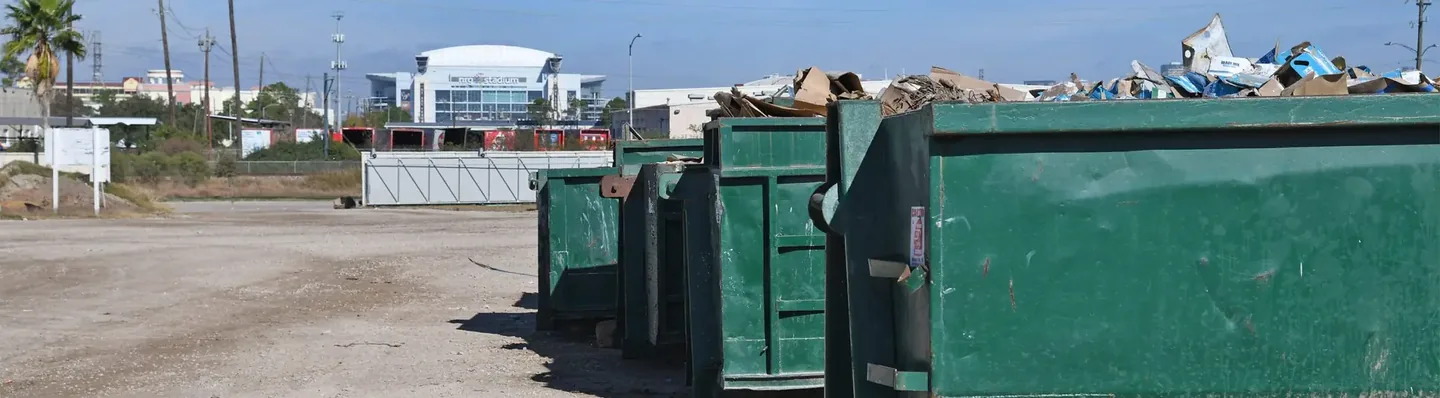
Construction debris disposal in Houston
Construction debris disposal in Houston starts with the material in your truck, not just the name of the project. Bring qualifying commercial construction waste to the Neuens Road or Holmes Road transfer station, with concrete and pavement asphalt routed separately. Send the material, approximate amount and intended arrival date to get the right disposal inquiry started.
A disposal destination for the material on your job
New construction produces framing offcuts, packaging and finish scraps. A renovation adds removed partitions, flooring and fixtures. Demolition can produce large amounts of mixed building material alongside dense concrete or masonry. Those are different loads, even when they leave the same jobsite.
At Holmes Road, qualifying mixed construction and demolition debris includes wood, drywall, metal, plastics and cardboard. Concrete and pavement asphalt follow the separate Houston Crushed Concrete receiving path. Dirt and roofing shingles stay out of the Tannahill mixed-debris load. Liquids, chemicals and regulated hazardous materials also require a different disposal route.
The Neuens Road station receives qualifying waste through DW Companies. Describe the particular load when arranging your arrival there. A material approval for Holmes Road does not automatically apply at Neuens. Start with the construction material guide if your pile includes several streams, then identify the actual contents in your quote request.
Choose Neuens Road or Holmes Road
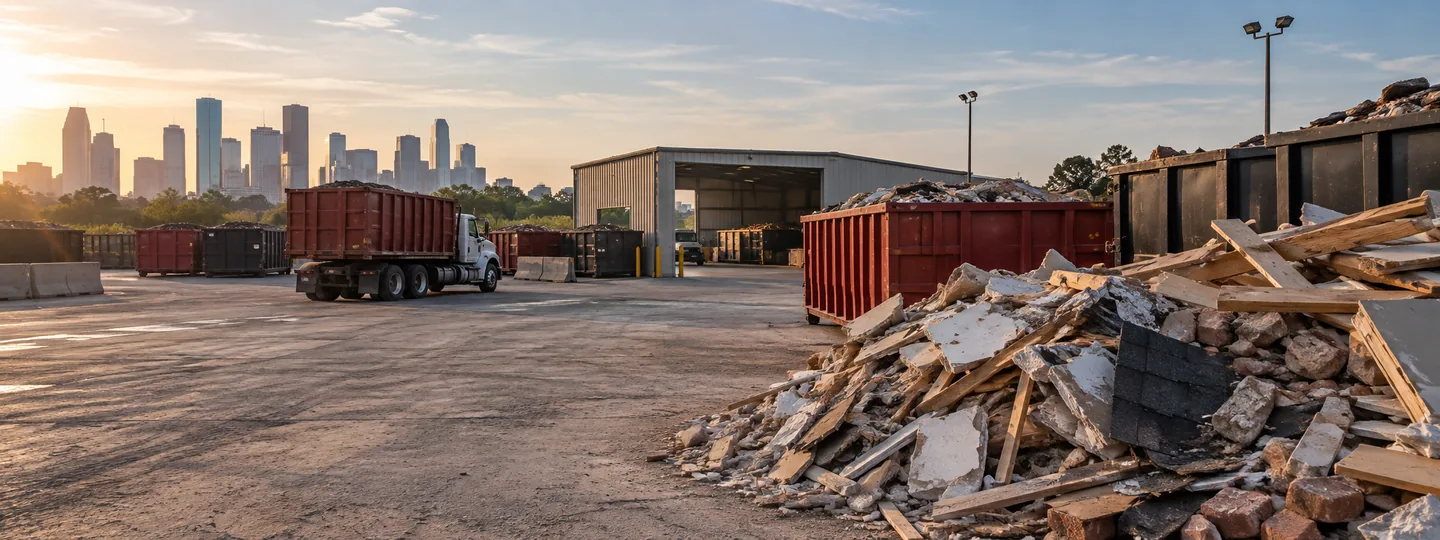
The two receiving destinations give Houston contractors a choice of location without changing the need to match the load to the yard. The Neuens Road transfer station inquiry goes to DW Companies at 9461 Neuens Road, Houston, TX 77080. Call 713-465-7231 with the material and truck or trailer details to arrange receiving instructions before dispatch.
The Holmes Road transfer station is Tannahill at 1800 Holmes Road, Houston, TX 77045. Its published hours are Monday through Friday, 7 AM to 5 PM, and Saturday, 7 AM to 1 PM; it is closed Sunday. Bring a hard hat and safety vest, check in and unload where directed. Call 713-657-0004 for that yard’s load pricing and arrival arrangements.
For clean concrete or pavement asphalt at the Holmes Road facility, contact Houston Crushed Concrete at 713-799-2000. Keeping the receiving operation clear on the dispatch instruction helps prevent a driver arriving with rubble described only as general construction trash.
Prepare a useful construction debris quote
A useful disposal inquiry describes what is being brought, how much space it occupies and how it will arrive. “One dump trailer of drywall and framing lumber” gives a better starting point than “commercial waste.” Include concrete, brick, soil, roofing material or unusual items even if they make up only part of the load.
Give an approximate quantity and identify the vehicle or container. If you use cubic yards, explain whether the estimate is based on a measured pile, the trailer’s nominal capacity or an actual filled volume. A picture can help explain a mixed load when available, but it does not replace a clear description of concealed material.
List the intended arrival date and preferred station. For a project that will produce repeated loads, describe the expected sequence rather than treating every phase as the same waste. The disposal cost guide explains the information that affects a usable quote. Request pricing for your actual load rather than applying another facility's fee schedule.
Keep the load moving through each project phase
Plan a place for construction debris before the first trade begins filling the pile. A simple split between mixed dry building waste and dense rubble can preserve options that disappear once everything is loaded together. Keep excluded items out at the source, where the crew can identify them, instead of discovering them underneath a trailer full of broken wallboard.
For example, a commercial build-out might generate packaging during delivery, wood and metal during partition work, then drywall offcuts and final cleanup debris. Use those phases to update the load description. A later concrete removal should be planned as its own material stream rather than added casually to the earlier mixed load.
On repeated trips, give the driver a consistent job name, receiving location and material description. Update that instruction when the material changes. This is a practical dispatch plan for your own team; the commercial hauler drop-off page covers the information to carry from the project manager to the person behind the wheel.
For a practical project handoff, assign one person to keep the material list current. The crew loading the vehicle is often the first to notice a different component or condition. Give that person a way to report the change before the truck is packed. A useful update names the material and explains whether it is a small separate item or part of the entire pile.
Consider a hypothetical commercial renovation with mixed drywall and framing at first, followed by removal of a paved area. The first load can be described as mixed interior building debris. The pavement belongs in a new rubble inquiry. Reusing the same vague description for both trips loses the distinction that determines the receiving path. Keeping those descriptions separate also makes it easier to compare what was planned with what actually left the site.
When a construction dumpster makes more sense
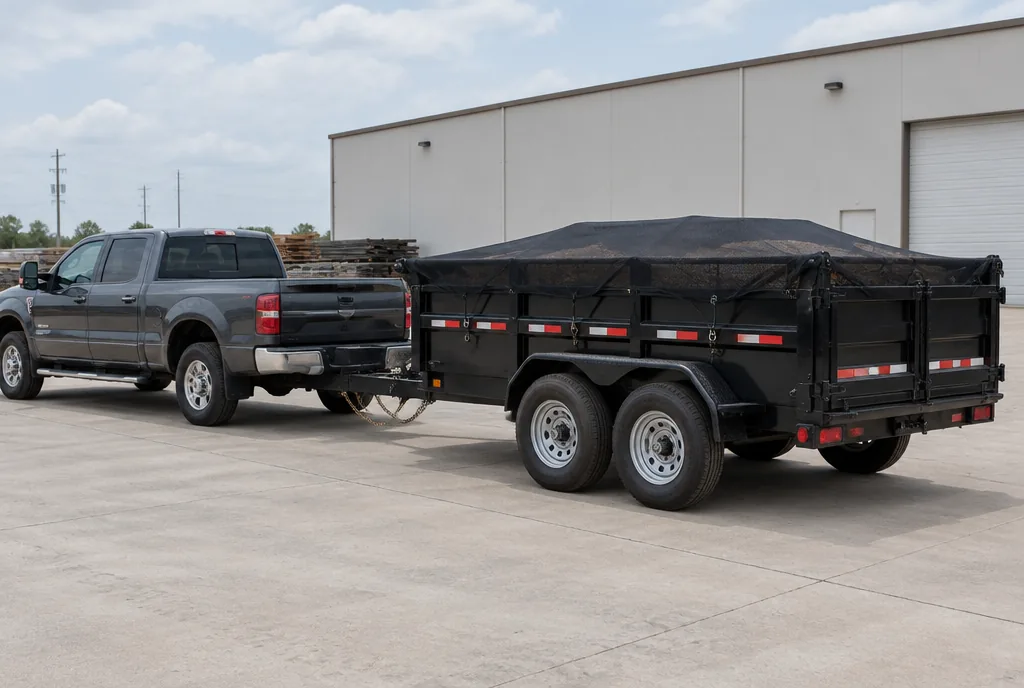
Self-haul works well when a truck or trailer and a driver are already part of the job. Material can leave in planned batches, and you control when your vehicle returns to the site. Count loading time, driving and unloading in that choice, not just the disposal charge.
A temporary roll-off can suit a project that generates debris throughout the working day or needs a dedicated collection point while trades continue. Your crew loads the container and the rental arrangement handles its delivery and collection. Container size, material weight, site access and the pickup plan all affect the choice.
Commercial dumpster rental is available as a supporting option. It should solve a transport or staging problem, rather than become an automatic extra step when your own hauling setup already fits. If you are comparing both approaches, describe the same material and approximate quantity so the disposal and rental inquiries are based on the same job.
How construction debris composition changes disposal
Source separation and mixed loads
Source separation means keeping materials apart where they are generated. A separate concrete pile remains identifiable as rubble; a pile containing concrete, plasterboard, lumber and discarded containers is a mixed load. Sorting after commingling can involve more handling because the materials must be identified and pulled apart again. The practical choice is to decide which streams matter before a loader or crew combines them.
A national construction-material category is broader than an individual yard’s accepted list. A material can occur in construction and still be excluded from a particular receiving stream. That is why dirt, shingles and special waste cannot be assumed acceptable just because the project is a construction job.
Bulk volume and actual material weight
Cubic yards measure occupied space. Weight measures the mass being carried. A bulky pile of lumber with air gaps can occupy considerable trailer space, while a smaller pile of broken concrete can impose a much heavier load. Use both material and quantity when planning transport. Filling every available cubic yard is not a sound loading rule for every material.
Answered Questions
Can a commercial contractor bring construction debris directly?
Yes. Customer-hauled qualifying construction waste is the primary service. Choose Neuens Road or Holmes Road, identify the actual materials and arrange the load price and receiving instructions. Holmes lists pickups, utility trailers, dump trailers and commercial vehicles; describe your particular vehicle when planning the trip.
Can concrete go in a mixed construction debris load?
Plan concrete and pavement asphalt separately. At the Holmes Road facility, Houston Crushed Concrete handles that receiving path at 713-799-2000. Keeping rubble apart from mixed wood, drywall and other C&D lets the load be reviewed for the right operation before it leaves the job.
Does construction debris disposal include loading at the jobsite?
This disposal service is for material you bring to the receiving location. If your project needs a container at the site, request a commercial dumpster rental. Plan the loading work separately so the crew, vehicle and disposal arrangement all match the scope.
What should I send for a disposal quote?
Send the main materials, anything mixed into them, approximate quantity, vehicle or container and intended arrival date. Include your preferred receiving location. For several loads, describe whether the contents will remain the same or change between demolition, construction and cleanup phases.
Put the material and destination in the same plan
Request a construction debris disposal quote with your load description, approximate amount and preferred receiving station. A clear description gives the yard the information needed to price and route the load.