
Planning disposal for road construction debris
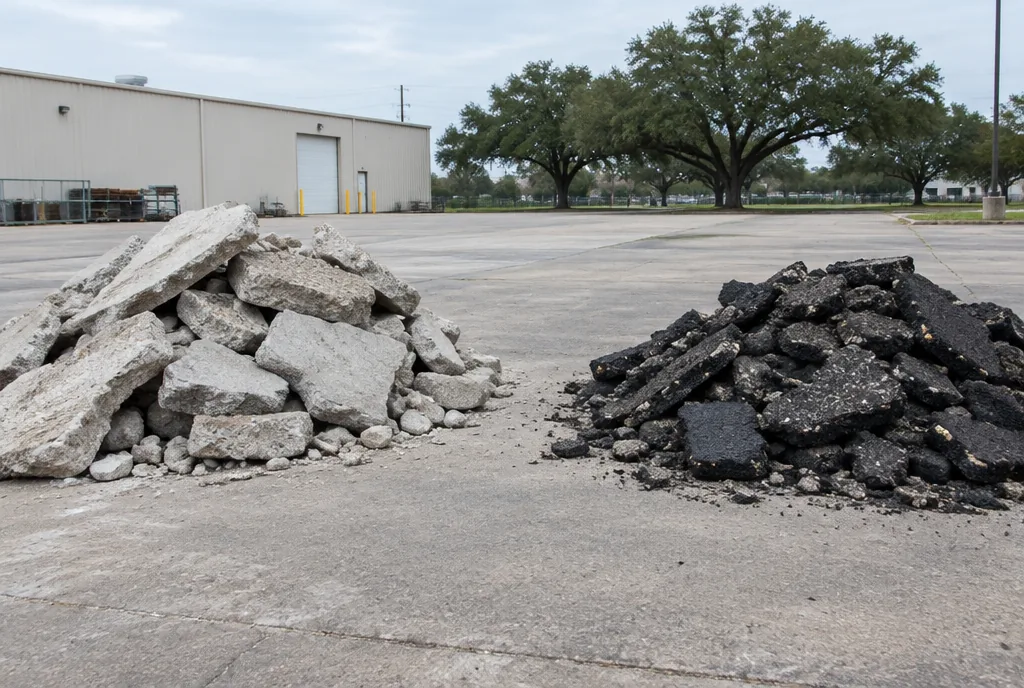
Plan disposal for road construction debris by separating pavement concrete, pavement asphalt, soil and other construction materials into distinct receiving decisions. A road or highway project describes where waste comes from, not a single universally accepted waste category.
Divide roadwork debris into separate material streams
A road project can remove pavement, curb, drainage components, base material and material from adjacent work areas. Begin with those actual components. A broad description such as highway debris hides differences that affect receiving, quantity and truck planning.
Record the stage producing each stream and whether the material is kept separate. Concrete from one phase and mixed site debris from another should not automatically share a vehicle. Preserve the identity of the removed material while the crew can still see where it originated.
For commercial receiving enquiries, describe the material, condition, estimated amount and planned vehicle. Use the concrete and pavement asphalt path for those streams and a separate C&D enquiry for qualifying mixed construction material.
Concrete and pavement asphalt use a separate receiving path
At the shared Holmes Road facility, Houston Crushed Concrete handles concrete and pavement asphalt separately from Tannahill's mixed-C&D operation. Keep rubble apart from wood, packaging and miscellaneous construction debris so the receiving request accurately describes the material.
Pavement asphalt is different from asphalt roofing material. Tannahill excludes roofing shingles and asphalt roofing. The word asphalt by itself is therefore too broad for a useful receiving request. Identify whether you mean pavement pieces, another pavement form or a different product.
Describe attached reinforcement, unusual piece sizes, coatings and material mixed with the rubble. Do not assume a particular size or reinforcement specification. The receiving discussion needs those details before the project selects a hauling or size-reduction plan. A commercial rubble load should arrive under its specific instructions, not under a general mixed-debris description.
Plan soil, base material and drainage debris independently
Dirt and soil are not accepted by Tannahill. Do not combine excavation material with a concrete or mixed-C&D load on the assumption that all waste from road construction belongs in the same category. A rental option for dirt also does not establish a receiving destination for self-hauled soil.
Base material, drainage debris and material exposed below the pavement need their own accurate description. State what the material contains, where it came from and whether it is mixed with soil or other components. An unfamiliar mixture should remain distinct while its destination is resolved.
Keep pavement millings identifiable too. They may belong to a different receiving discussion from larger broken pavement, depending on material condition and receiving arrangements. Do not turn general information about asphalt reuse into blanket permission for every roadway stream.
Tie truck dispatch to the removal sequence
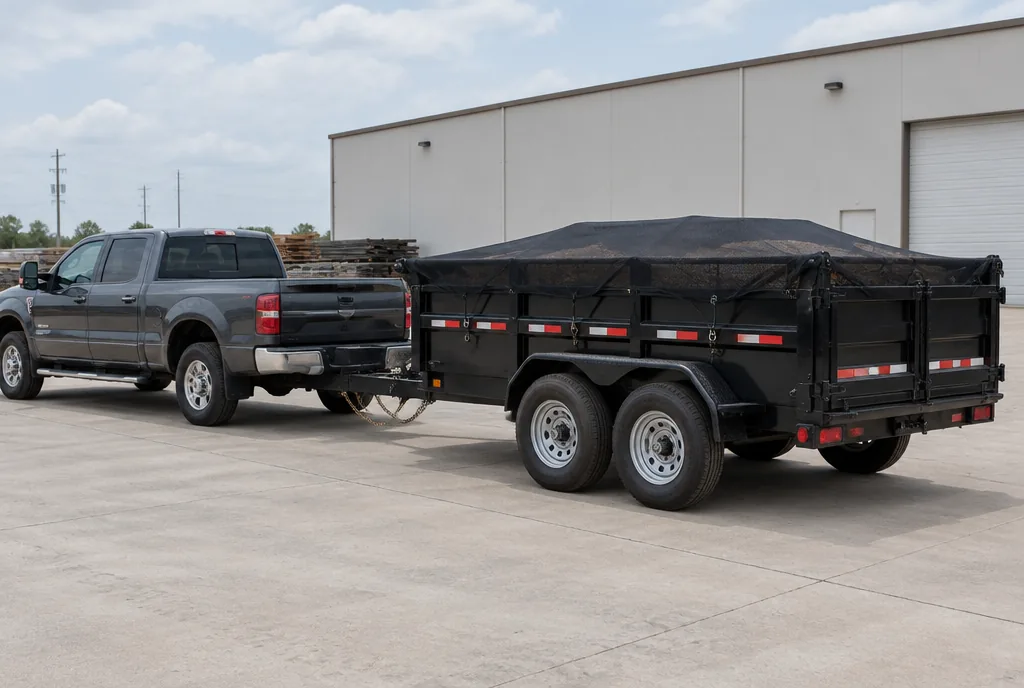
Link the waste plan to the removal sequence. Identify which material the next truck is expected to carry, where it will be loaded and which receiving destination applies. A dispatch plan should be usable by the field supervisor, loader operator, driver and office contact.
Consider the complete movement rather than distance alone. The truck needs access to the loading point, time to receive its load, a suitable route and current receiving instructions at the destination. Avoid making the work sequence depend on an invented unloading time or guaranteed queue length.
For example, a project might remove pavement asphalt before a later concrete phase. Keeping those movements separately described helps the team update quantity and receiving information without rewriting the whole project estimate. The multiple-load guide explains how to maintain that continuity as trucks cycle.
Separate the material decision from traffic scheduling
A truck can have a good departure time and still carry the wrong stream for its selected destination. Review material identity and receiving instructions as their own dispatch step. Then coordinate the movement with project access and current receiving conditions.
For example, a pavement-removal phase may finish while excavation material remains. Do not use the waiting pavement truck to move an unreviewed soil mixture simply to keep equipment busy. Treat the change as a new material decision before assigning that destination.
Keep alternate arrangements tied to the same description standard. An alternate receiving plan should identify the stream, vehicle and instructions rather than being only a second address on the driver's phone. The field team should be able to name the material without relying on a vague contract description. This helps the project keep a workable dispatch plan when the removal sequence changes.
Keep the driver and project records connected
Give each movement a simple reference tied to the project and material. Record the actual date, vehicle and destination, then retain the documents supplied for that trip. The driver should have current receiving instructions and a contact who understands the load.
When the material changes, update the record before sending the next truck. A route that worked for separated rubble is not automatically the destination for a load containing soil or miscellaneous site material. Keep the first load's approval connected to its original description.
For projects with specific reporting requirements, establish those requirements before the first movement. A disposal receipt and evidence of material recovery are different things. The documentation guide helps distinguish a practical project record from a recycling or diversion claim.
Technical detail: RAP and recycled concrete aggregate
RAP describes reclaimed pavement material
RAP means reclaimed asphalt pavement. Processing can separate and size reclaimed pavement for later uses. That industry pathway explains why pavement identity and separation matter, but it does not establish a particular receiving specification or service for your load.
Concrete can become aggregate after processing
Recycled concrete aggregate is material produced by crushing and separating reclaimed concrete into suitable sizes. The receiving stage and the production of a usable aggregate are different steps. Bringing concrete to a destination does not by itself establish the final product or a measured recovery result.
For the project manager, the useful implication is to preserve the material stream and its origin. Keep soil, mixed construction waste and unknown components out of a separately described pavement load. Then arrange the receiving path for the actual material before committing trucks. This connects roadwork logistics with material suitability without assuming that every removed pavement component follows the same process.
Answered Questions
Can I send all roadwork waste to one destination?
Only when that destination has accepted the actual combined load. Concrete, pavement asphalt, soil and mixed debris need distinct receiving decisions; Tannahill excludes dirt and keeps concrete/asphalt with the separate HCC operation.
Are asphalt millings automatically accepted with broken pavement?
Do not assume that. Describe the actual pavement form, condition and mixture so the receiving arrangement addresses it. General reuse potential does not establish one facility policy for all asphalt material.
Does this service perform road demolition?
This enquiry path concerns receiving qualifying debris and secondary container rental. Project demolition, excavation and construction labor need their own arrangements.
Plan the next roadway material movement
Identify the pavement or construction stream, approximate quantity, condition and truck. Request the receiving path before combining material or dispatching the load.