
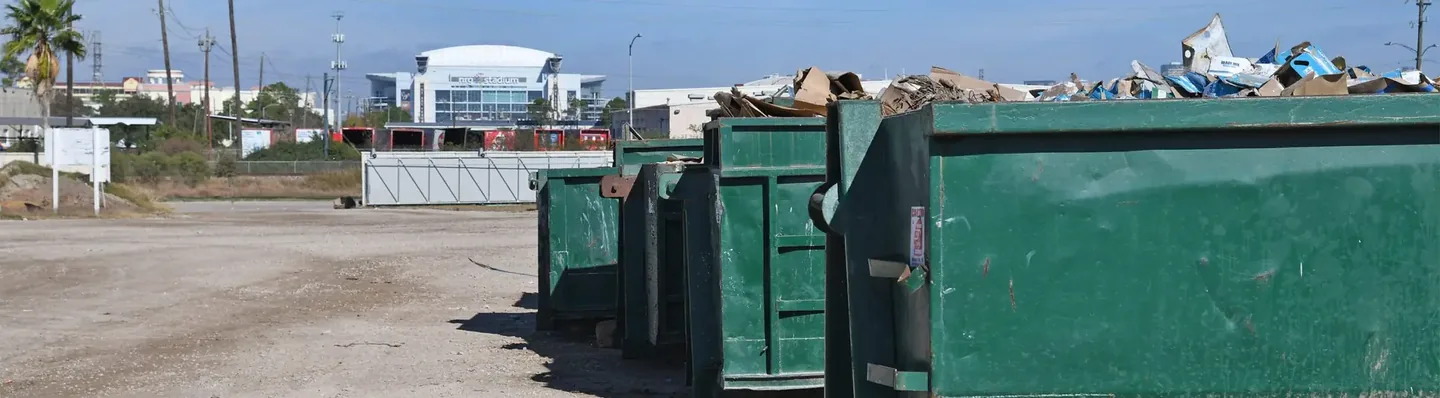
Construction waste disposal in Houston Heights
Construction waste disposal in Houston Heights helps contractors plan customer-hauled shop and commercial renovation loads, from the strip-out materials to the receiving destination.
Choose the receiving operation for a Heights project
A commercial debris load needs a destination that fits its contents and unloading arrangement. Start the receiving inquiry with what has been removed, where it came from and how much needs to move. Those details are more useful than choosing a yard solely from a map or calling every part of a renovation ordinary building waste.
DW Companies receives qualifying waste at 9461 Neuens Road, Houston. Call 713-465-7231 with the material, quantity and vehicle to discuss that receiving path. The contractor or customer arranges loading and transport from the Heights property to the actual destination.
At 1800 Holmes Road, Tannahill handles qualifying mixed C&D with hard hat, safety vest and check-in requirements. Dirt and roofing shingles are excluded from its mixed stream. Concrete and pavement asphalt use a separate Houston Crushed Concrete inquiry at 713-799-2000. Keep liquids, hazardous materials and unidentified products outside the ordinary C&D load. Matching the operation to the material makes the driver’s destination meaningful.
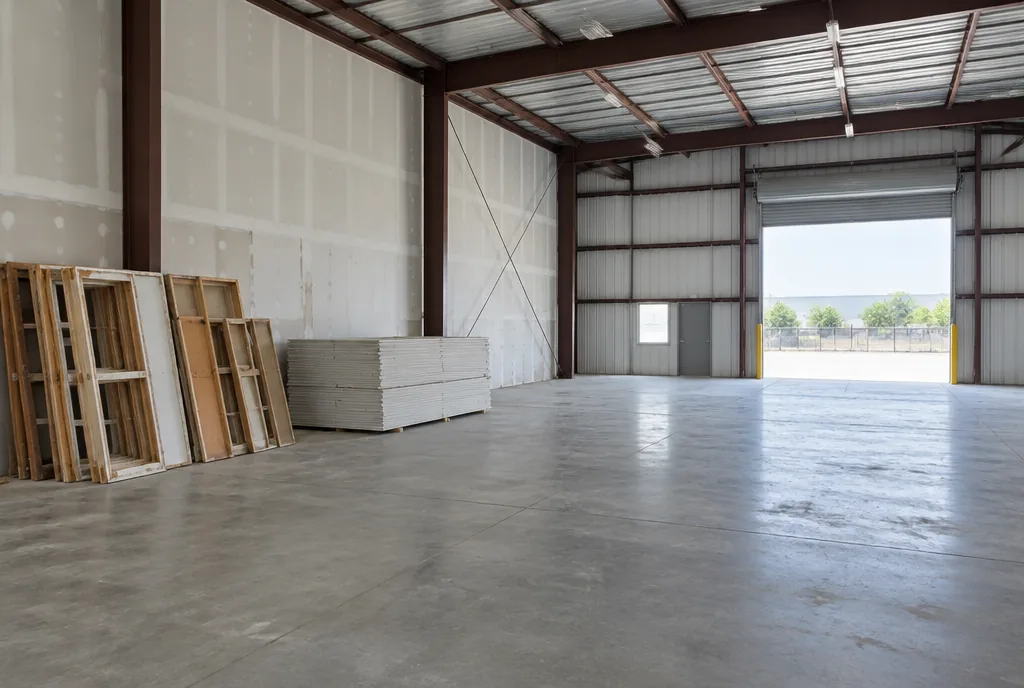
Separate strip-out materials before the site handoff
Commercial strip-out can produce wood, drywall, metal, fixtures and dense finish materials. Identify them as they leave the work area. For example, a shop refurbishment may have removed partitions and finishes in one phase, with another set of materials generated during the fit-out. Keeping the streams recognizable makes each receiving inquiry clearer.
Restaurant and shop work also needs a distinction between building components and what those components contain. Oils, liquids, chemicals, refrigerants and food waste do not become ordinary C&D because they come from a renovation. Describe equipment contents separately rather than allowing a broad project label to hide them.
Use the commercial renovation disposal scope to organize the removed materials. Put dense rubble on its own receiving path and identify any questionable product before loading. This is a practical material decision, separate from whether the building is older, newer or within a historic district. The description of the actual load is what the receiving inquiry needs.
Plan a driver handoff that fits the actual property
Coordinate the staging point, loading responsibility and vehicle access with the property team before dispatch. At an occupied commercial property, a defined loading arrangement helps the contractor move material while the other work continues. Base it on the actual entrance, available space and collection need.
For example, a shop staying partly in use during a refurbishment might move prepared batches rather than allow debris to accumulate across the work area. The contractor identifies what can leave together, assigns the loading crew and gives the driver the receiving details. Prepared batches keep the driver’s instructions tied to the material ready to leave, while the property team manages the loading point.
A temporary dumpster can serve ongoing collection when an appropriate placement arrangement is available. The customer loads it, with loading assistance arranged separately. If self-haul is the better fit, use the actual vehicle configuration and live directions for the receiving trip. Keep the property loading contact distinct from the receiving contact, because they manage different ends of the movement.
Carry the strip-out scope into each load record
A concise load handoff connects the phase of work to the vehicle and destination. Keep the material source, condition, estimated quantity and receiving instructions together. That gives each departure a defined scope rather than relying on a project name reused for every load.
Shop and commercial strip-out materials
Describe drywall, wood, metal and removed finishes by what they are and where they came from. “Restaurant renovation” explains the project context, but the receiving description still needs the actual material. State whether it is a separated stream or a mixture, and identify other components that will arrive with it.
Keep the quantity assumption connected to that description. An estimate of loose interior debris describes occupied space, while a later load of dense rubble may need a different vehicle and receiving arrangement.
Fixtures and their contents
A fixture and the product inside it are different handling questions. Identify contained liquids, oils, refrigerants or unknown residues separately from ordinary dry building materials. The material eligibility information helps keep the ordinary C&D inquiry focused on an accurately described load.
Phase and load handoff
Keep the source, material, quantity, vehicle and receiving instructions with each departure. Update the description when the phase changes, and retain the actual receiving documents supplied. A commercial hauler handoff should make it easy to connect the truck in front of the yard with the material being evaluated, even when several movements belong to the same project.
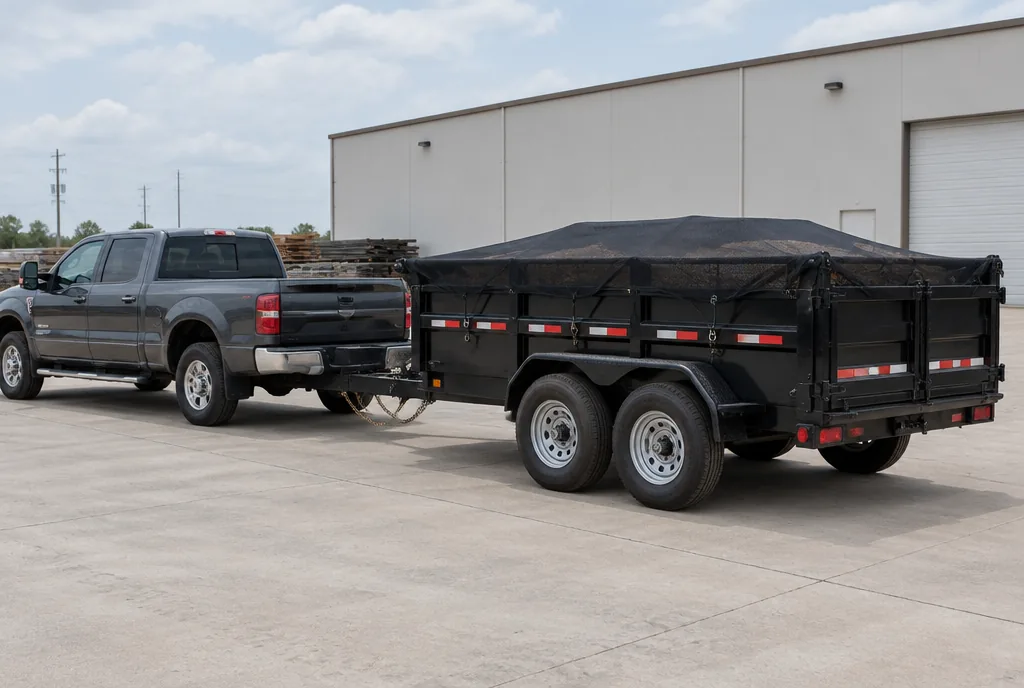
Houston Heights along Heights Boulevard and 19th Street
Houston Heights combines familiar neighborhood streets and gathering places with active commercial corridors. Heights Boulevard and Donovan Park are part of its community identity, while the shops and eateries along 19th Street give the area a recognizable local business setting.
Houston Heights is distinct from the larger Greater Heights label and neighboring areas such as Timbergrove. The community includes designated historic districts alongside other properties with their own project requirements. Use the actual project address and its own property arrangements when planning work.
For a shop or other commercial renovation, that local setting helps explain the origin and collection need. The material list, loading point and vehicle plan then connect the property to the receiving destination. Keep those practical details specific to the job rather than assuming every nearby business produces the same load.
Request a Heights disposal quote for the material you will move
Send the source and condition of the material, approximate quantity, vehicle, unloading arrangement and intended timing. Identify the phase represented by the first load and any later stream that will differ. Add the preferred receiving location when you already have one in mind.
Request a commercial disposal quote or call DW at 713-465-7231 about the Neuens receiving path. Choose the secondary container option if collection needs to remain at the property. A defined material inquiry gives the receiving team useful inputs and gives the contractor a clearer plan for the next departure.
Answered Questions
Where can a Heights contractor bring a commercial C&D load?
DW receives qualifying waste at 9461 Neuens Road. At Holmes Road, Tannahill’s mixed-C&D operation and the separate HCC concrete and pavement-asphalt path have different material inquiries. Start with the actual load, then give the driver the receiving operation, address and instructions that fit it.
Can restaurant or shop renovation debris include equipment contents?
Keep equipment contents separate from ordinary building debris. Oils, liquids, refrigerants, chemicals and food waste do not become C&D because they come from a renovation. Describe the fixture and any contained product accurately before arranging the movement, rather than assuming the project label covers both.
Can a hauler combine several project loads under one description?
Keep each load tied to its actual source, material and quantity. Several movements of one described stream differ from a later phase that produces another material. Update the receiving description when the contents change, while retaining the project reference and actual documents supplied for each trip.
How can I plan debris collection around an occupied property?
Agree on the staging point, loading responsibility and vehicle access, then batch the movements to fit the work. A temporary container can suit ongoing collection when placement is appropriate. Use the actual property arrangement rather than assuming a universal Heights loading schedule or street restriction.
What is useful to include with a quote request?
Include the material source and condition, approximate quantity, vehicle configuration, unloading needs, preferred receiving operation and project phase or timing. Those details help define the load for the inquiry. Indicate whether you will haul it or need the secondary dumpster option for collection at the site.
Give the next Heights load a clear receiving plan.
Describe the commercial strip-out material, quantity and vehicle. Keep fixtures, contents and later phases identified so the receiving inquiry matches what will actually move.