
Demolition debris disposal in Houston
Demolition debris disposal in Houston works best when mixed building waste and dense rubble have separate plans. Arrange a receiving destination for qualifying material from commercial strip-outs, building demolition and reconstruction. Use Neuens Road or Holmes Road for the appropriate load, and route concrete or pavement asphalt through its separate receiving operation.
Match demolition debris to the receiving stream
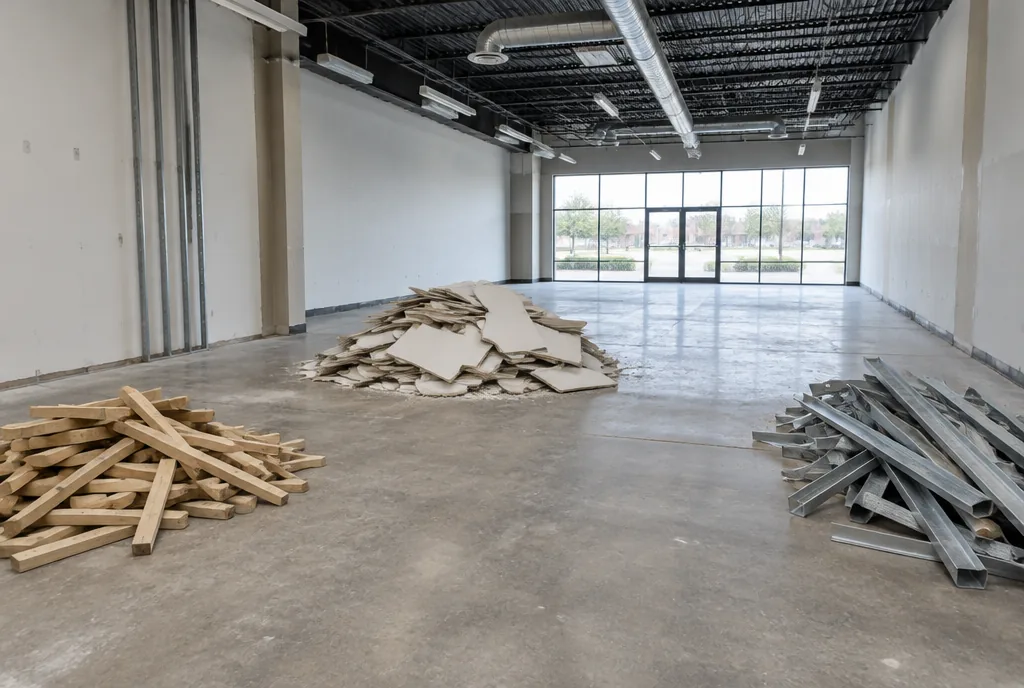
A demolition project is a source of waste, not a single material. Interior partitions can produce drywall, metal studs and lumber. A structural phase can add concrete, masonry and other dense rubble. Equipment removal may introduce batteries, refrigerants, liquids or electrical components that do not belong in ordinary mixed construction debris.
For the Holmes Road Tannahill operation, qualifying mixed C&D includes ordinary wood, drywall, metals, plastics and cardboard. Dirt and roofing shingles are excluded. Concrete and pavement asphalt go through Houston Crushed Concrete separately at 713-799-2000. Keep those distinctions in the removal plan while the materials are still easy to recognize.
Neuens Road is another receiving destination for qualifying waste, with the load described to DW Companies before dispatch. The disposal inquiry covers material brought to a station. It does not book demolition labor, building dismantling or hazardous-material removal. Use the accepted-materials overview to organize the load before requesting its disposal price.
Plan the strip-out and structural phases separately
Selective removal can make the later hauling plan clearer. If fixtures or reusable components will be retained, identify them before they are broken or mixed with debris. If a wall assembly contains an item requiring separate handling, resolve that item before it becomes concealed in the waste pile. The benefit is an identifiable load rather than a last-minute attempt to reconstruct what went into it.
On an interior strip-out, separate the ordinary building debris from business contents and equipment. Desks, refrigeration equipment and leftover chemicals should not inherit the approval given to drywall or lumber. List large fixtures and unusual items individually when describing the project.
A later structural stage deserves a new load description. Concrete, asphalt pavement, mixed masonry and soil are not interchangeable materials. For a demolition contractor handling several phases, the practical approach is a brief material schedule: what leaves first, which vehicle carries it and which receiving stream it belongs to. See planning multiple debris loads for that coordination task.
During estimating, divide the disposal task by material-generating activity rather than just by building square footage. A floor area can be the same in two projects while one removes only finishes and the other removes walls, structural components and a slab. The resulting waste is different in quantity, shape and receiving stream. Use the scope of removal to build the material list, then refine it as the work exposes the actual components.
That approach also helps when a project changes. If the original scope retained a slab but the revised scope removes it, add the rubble movement to the disposal plan. It is a distinct task with its own transport and receiving inquiry, not merely more volume in the interior-debris allowance. Make the update before the removal crew and hauler are working from different assumptions.
Arrange the receiving yard before the haul
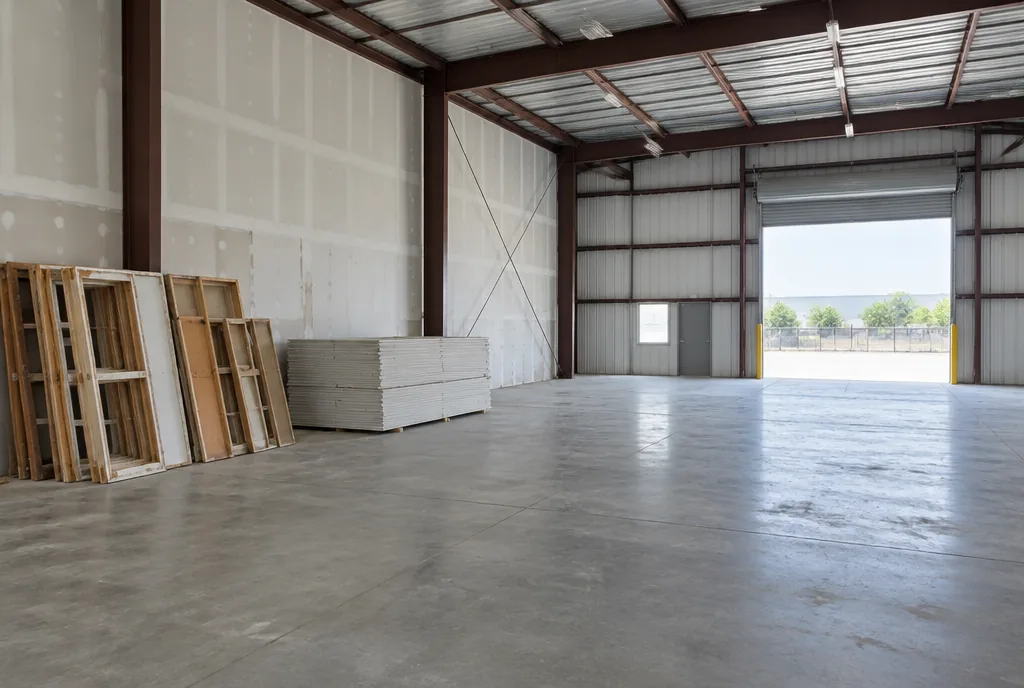
DW Companies handles the Neuens Road receiving inquiry at 9461 Neuens Road, Houston, TX 77080, on 713-465-7231. Give the project material, quantity and vehicle before dispatch so your driver has the appropriate arrival instructions. Use the Neuens Road location page for that destination.
Tannahill receives qualifying C&D at 1800 Holmes Road, Houston, TX 77045. The yard publishes Monday through Friday hours of 7 AM to 5 PM, Saturday 7 AM to 1 PM and Sunday closed. A hard hat and safety vest are required; drivers check in and follow the team’s unloading directions. Call 713-657-0004 for the load inquiry.
A debris pile should be described by contents rather than by the demolished building’s former use. “Warehouse demolition” could mean clean slab rubble, mixed interior material or items needing a different disposal route. Give the driver the receiving business and the correct material stream, particularly when the separate concrete operation shares the Holmes Road facility.
Describe a demolition load for a usable price
Start with the dominant materials and name what else is mixed in. Add the approximate quantity, how it was estimated and the truck, trailer or container. If the project has not been demolished yet, separate known quantities from estimates. A preliminary estimate can support planning without being presented as a measured final load.
Explain whether material arrives loose, in large assemblies or as dense broken rubble. Those descriptions help distinguish the actual waste from an abstract building area. Square footage alone does not show how much material was removed, how it was loaded or which parts of the building remain.
For a multi-day job, indicate expected loads and their sequence. A consistent material stream can be discussed together; a later change to soil, concrete or equipment should be called out separately. Request the price for the relevant receiving operation, and use the construction disposal cost guide to compare the scope of different arrangements without assuming all yards charge the same way.
Self-haul and roll-offs on a demolition job
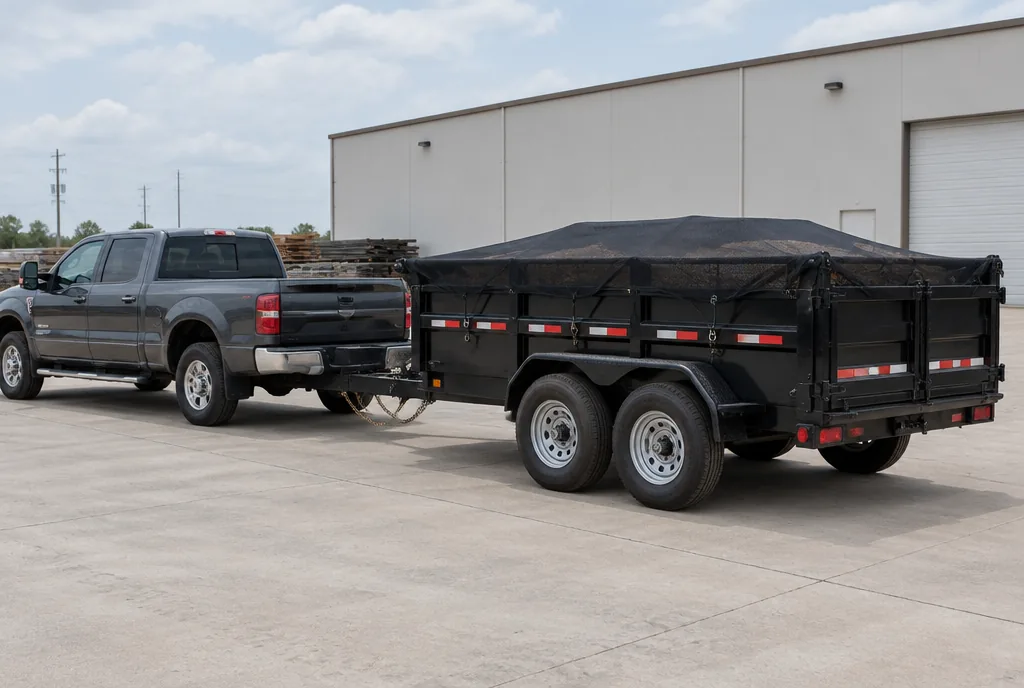
Existing trucks and trailers can make self-haul an efficient part of a demolition plan. The tradeoff is that each trip uses driver time, and an off-site vehicle is not available for other job tasks. Staging space and the pace at which material is generated matter as much as the size of the pile.
A temporary roll-off provides a place for debris to accumulate between collections. That can help a phased interior demolition where material is removed throughout the day. Dense concrete still needs a material-specific loading plan; a large container does not mean it can be filled to the top with heavy rubble.
Use commercial dumpster rental when a container solves the site’s collection or transport needs. Keep crew loading, container delivery and final disposal as separate pieces of the scope when requesting the quote. For a concrete-heavy demolition phase, use the concrete and asphalt disposal path so the material is routed before it becomes mixed.
Demolition material behavior and sorting
Structural rubble and interior strip-out
Demolition debris behaves differently depending on what was removed. Broken slab material is dense. Framing lumber and dismantled assemblies create irregular shapes and air spaces. A vehicle that appears only partly full can still be carrying substantial weight, while a large volume of light interior debris may occupy the available space first. Use material type alongside estimated volume when choosing the transport arrangement.
Assemblies also conceal multiple materials. A wall can include gypsum board, metal framing, insulation and finishes. Breaking it into smaller pieces does not make those components the same material; it merely changes their size and how they are mixed.
Contamination changes the receiving stream
Ordinary C&D handling relies on a meaningful description of the load. Adding liquids, suspect asbestos-containing material, chemical containers or industrial process residue changes the problem. Keep those materials out of the ordinary demolition stream and arrange an appropriate specialist route. “Nonresidential demolition” does not establish that every resulting waste is suitable for a transfer station. A clear separation plan protects the disposal path chosen for the qualifying building debris.
Answered Questions
Do you handle waste from complete building demolitions?
The disposal inquiry can cover qualifying construction and demolition materials from a building project. Describe each stream, expected quantity and vehicle. Mixed building debris, concrete rubble, soil and specialist waste require different decisions, so the project scope alone does not determine where the load goes.
Is demolition work included?
The service here is disposal planning for material you haul to a receiving location, with dumpster rental as a supporting option. Keep the demolition contractor, jobsite loading and receiving destination identified in the project plan so each part of the work is covered.
Can an industrial building renovation use this service?
Ordinary qualifying construction materials from an industrial renovation can follow the C&D inquiry path. Production residues, oils, chemicals, contaminated materials and other process waste need their own disposal arrangements. Describe what is actually being removed instead of classifying every load by the building type.
Should I separate concrete from interior debris?
Yes. Plan concrete as a distinct load before mixing it with lumber, drywall and other tear-out material. Houston Crushed Concrete handles concrete and pavement asphalt separately from Tannahill mixed C&D at the Holmes Road facility. Call 713-799-2000 with the rubble details.
Set the disposal path before demolition fills the pile
Send the project phase, material mix, approximate quantity and vehicle for a demolition debris disposal inquiry. Include separate rubble loads so each driver can be directed to the right receiving operation.