
Concrete and asphalt disposal in Houston
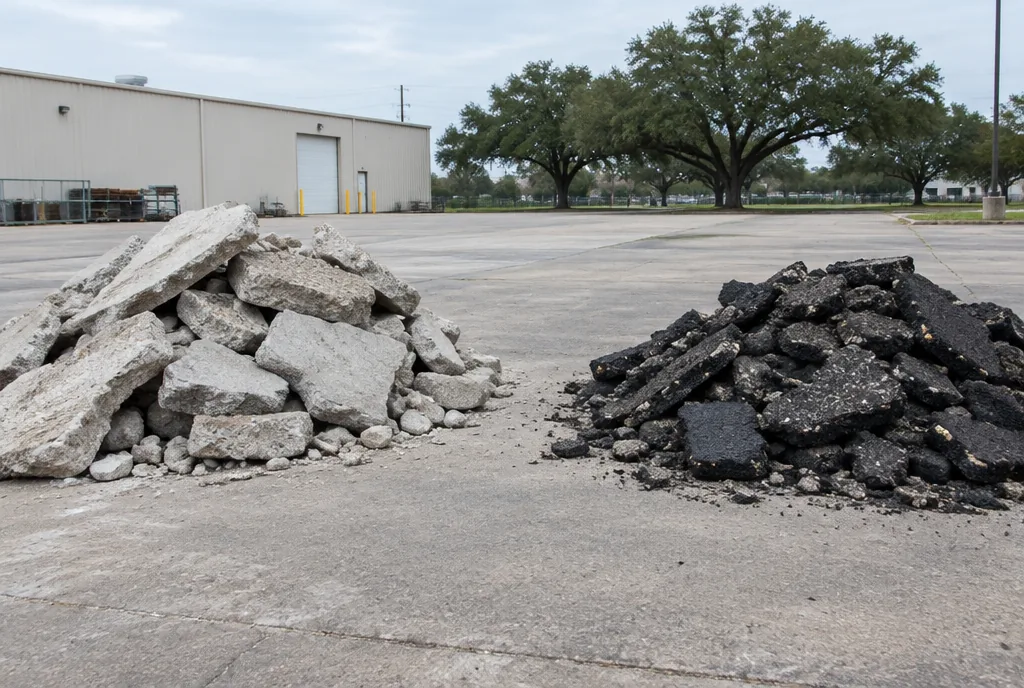
Concrete and asphalt disposal in Houston needs a material-specific receiving plan. At the Holmes Road facility, Houston Crushed Concrete handles concrete and pavement asphalt separately from Tannahill mixed C&D. Call 713-799-2000 with the rubble, vehicle and quantity before dispatch. Keep roofing shingles, soil and mixed building debris out of a load described as clean pavement material.
Concrete and pavement asphalt need their own receiving path
A slab tear-out and an interior strip-out create different disposal tasks. Broken concrete and pavement asphalt are mineral-rich materials with their own handling and recovery options. A truck carrying lumber, drywall and assorted building debris belongs in a different conversation from a truck carrying an identifiable rubble load.
Use Houston Crushed Concrete on 713-799-2000 for concrete and pavement asphalt at the shared Holmes Road facility. The Tannahill mixed-C&D inquiry is a separate operation. Keep the receiving business in the driver’s instructions, not just the street name, so the material is presented to the correct team.
Pavement asphalt is different from asphalt roofing material. Tannahill does not accept shingles or asphalt roofing waste, and that roofing material should not be relabeled as pavement asphalt. Dirt and soil are also excluded from Tannahill. Start with the material guide when your project produces rubble alongside other debris, then describe each stream separately.
Plan clean rubble before it gets mixed
Keep a concrete or pavement pile apart from trash, lumber, drywall and excavated material when that is the intended receiving stream. “Clean” should describe the actual contents, not just the largest component. Name attached reinforcing steel, soil, coatings or other material in the inquiry rather than assuming a concrete label covers them.
A useful site arrangement gives the loader or crew clear destinations for mixed building waste and rubble. Once the same truck contains both, the receiving decision must account for the combined load. Separating early avoids making the driver responsible for explaining a mixture that was not in the original quote description.
Concrete washout, slurry and other wet process material are different from broken hardened concrete. Do not include them in a rubble inquiry without identifying them. This page covers the concrete and pavement-asphalt path; it does not turn every cement-related material into an accepted load. See separating construction debris for a practical material-first staging plan.
Roadwork, slabs and commercial demolition
Commercial concrete waste can come from a building slab, foundations, a parking area or a demolition phase. Road and highway projects can generate removed pavement as well as other materials. The job category helps explain the source, but the receiving choice still follows what is in the truck.
For example, a pavement replacement may produce concrete in one operation and excavation spoil in another. Those should have separate plans. Asphalt millings, reinforced pieces, soil-bearing rubble and other particular conditions should be named, rather than collapsed into the phrase “road waste.” Describe the form and composition in the inquiry so the receiving arrangement addresses the actual material.
The road construction debris guide covers stream planning for civil work. Demolition debris disposal covers mixed building material from the same project. Keep disposal, hauling and actual pavement or building removal identified separately in the scope; booking a destination for rubble is one part of the job.
Describe the load, vehicle and arrival plan
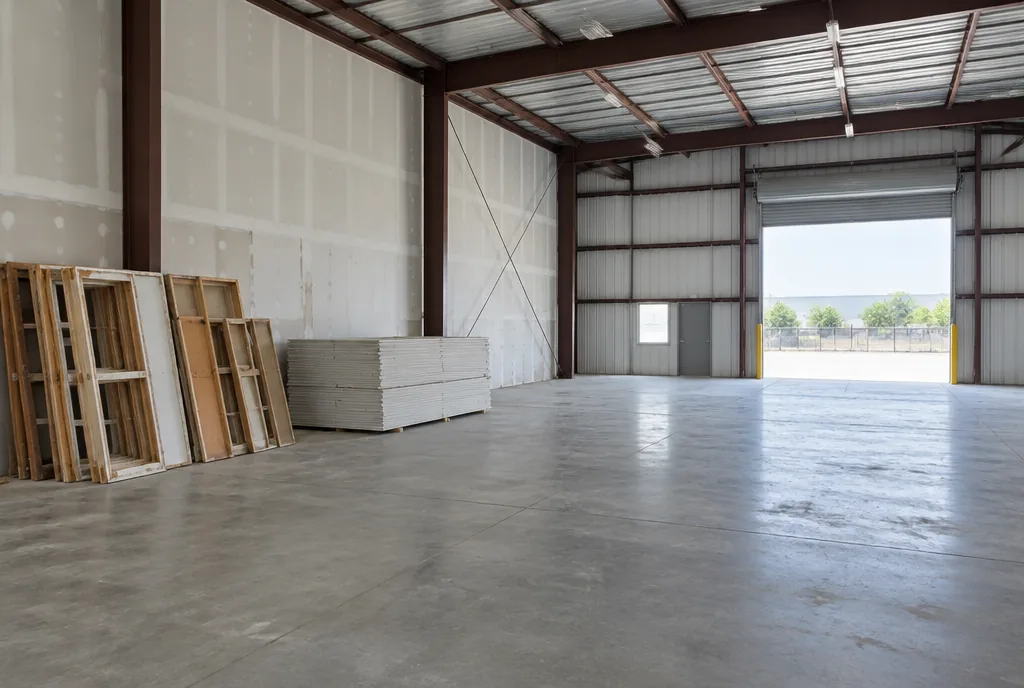
Give the main material, source and approximate amount. Describe the largest pieces and any reinforcing steel, soil or other material attached to the rubble. If the pile contains concrete and asphalt together, say so. A clear description lets the receiving inquiry focus on the load rather than on assumptions about an earlier job.
Identify the vehicle or container and the intended arrival date. If there will be repeated loads, give an estimated sequence and note whether their composition will remain consistent. The driver needs the receiving operation and contact along with the destination, especially where different material businesses share a facility.
Use a measured quantity when you have one and an honest estimate when you do not. Keep those labels intact in the disposal quote request. Do not translate trailer capacity into a claimed actual weight. The load estimate guide explains that distinction without assuming a universal rubble density or a fixed charge per load.
A useful rubble description separates composition from quantity. For example, “broken hardened concrete from a slab, with reinforcing steel attached” explains the material, while the estimated volume and truck type explain the planned movement. Add any soil or mixed debris explicitly. Calling the entire pile concrete without those details leaves out the characteristics that distinguish one load from another.
Keep the description consistent when several subcontractors are involved. A demolition crew may identify the material by the structure it removed, while a hauler may describe only the truck size. Combine those two pieces of information in the inquiry so the receiving operation has both the material and the transport plan. If the final load differs from the original pile because other waste was added, update the description before dispatch rather than relying on the earlier arrangement.
Choose self-haul or a heavy-material dumpster
A truck or trailer already assigned to the project can support direct hauling. The transport plan needs to account for the material’s weight as well as the vehicle’s available space. A pile of dense rubble can reach a practical loading limit before the bed looks full.
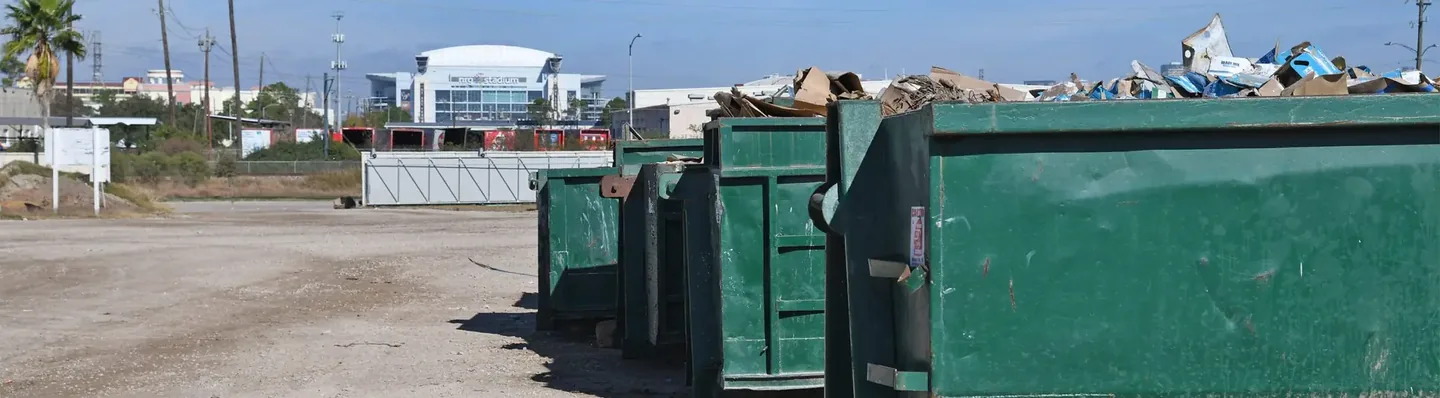
If you need a container at the site, request a heavy-material arrangement rather than choosing solely by the largest nominal size. DW Companies identifies a designated 16-yard setup for concrete and dirt rentals. That equipment description does not make dirt acceptable at Tannahill, and a rental product's volume does not establish its allowed payload.
Commercial dumpster rental can support the project when collection at the site is the better arrangement. Give the actual material, address, approximate quantity and intended timing. If your own hauling setup fits, the separate concrete receiving inquiry on 713-799-2000 keeps the primary disposal path direct.
How concrete and asphalt become reusable aggregate
Crushing and graded aggregate
Recovered concrete can be crushed and separated into graded aggregate. Grading means sorting material into useful size ranges, rather than treating a broken slab as a finished product. TxDOT describes this processing as a way to prepare reclaimed concrete for different construction applications. It explains why a recognizably separate rubble stream can have a different destination from mixed building waste.
Some civil projects process pavement in place instead of hauling it away. That is a project-method choice, separate from arranging off-site disposal. The receiving inquiry here concerns material you plan to transport; it does not book a mobile crushing crew or establish a reuse specification for your job.
Reclaimed asphalt pavement
RAP means reclaimed asphalt pavement. Processing can crush and size recovered pavement for road-related uses. It is different from assuming any black asphalt-containing product is interchangeable: roofing shingles and pavement arise from different products and receiving rules. Keep the exact material name in your quote and dispatch instructions. These processing principles explain the industry, while the receiving operation determines the arrangement for your particular load.
Answered Questions
Who receives concrete at the Holmes Road facility?
Houston Crushed Concrete handles concrete and pavement asphalt separately from the Tannahill mixed-C&D operation. Contact 713-799-2000 with the material, approximate amount, vehicle and planned arrival. Give the driver the business name as well as the facility destination.
Are asphalt shingles the same as pavement asphalt?
No. Roofing shingles and asphalt roofing material are a different waste stream. Tannahill excludes them. Use the words pavement asphalt for removed road or paved-surface material, and describe anything mixed with it instead of using asphalt as a blanket label.
Can rubble with rebar be brought in?
Describe reinforcing steel, the largest pieces and the rest of the load when arranging concrete receiving. Those details affect handling. Keep the pieces in the inquiry as they actually are; do not assume a piece-size or rebar limit from another yard or an earlier project.
Is concrete disposal free?
Call Houston Crushed Concrete at 713-799-2000 for the current price for your load. Describe whether it is concrete or pavement asphalt, anything mixed with it, the approximate quantity and the vehicle. Request the receiving arrangement for those actual materials.
Route the rubble before the truck leaves
Call Houston Crushed Concrete at 713-799-2000 for the separate concrete and pavement-asphalt receiving inquiry. For a broader project request, identify the rubble and mixed C&D as separate streams.