
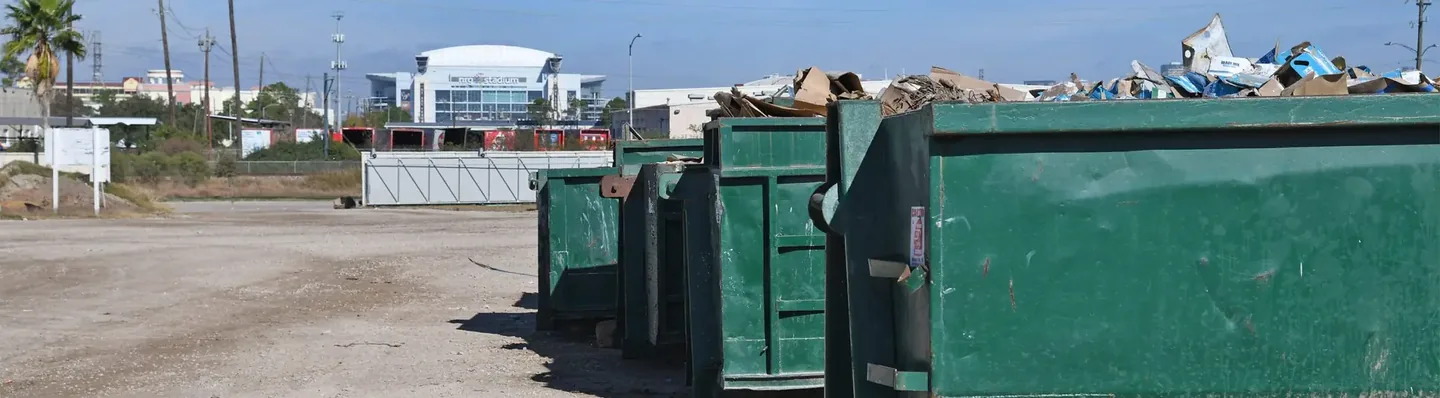
Commercial dumpster rental in Houston
Commercial dumpster rental in Houston provides a temporary collection point for qualifying project debris when direct self-haul is not the best fit. Request the rental through DW Companies at 713-465-7231 with your material, site address and timing. Plan container loading separately, and match dense rubble to a material-specific arrangement rather than choosing on volume alone.
Temporary dumpsters for commercial project debris
A construction roll-off is a temporary container placed at the job so the crew can collect qualifying debris as work progresses. Commercial renovation, building reconstruction and demolition phases can all create that need. The rental supports the construction task; it is different from a permanent small business trash bin on a recurring collection route.
A dumpster gives your crew a collection point while trades work. If you already have a suitable truck and driver, bringing the waste yourself may fit the project better. Compare how long debris will accumulate, the space available and the time your vehicle would spend making disposal trips.
Tell the rental team what will actually be loaded. Wood and drywall from an interior project are different from concrete rubble, dirt or a mixture that includes excluded items. DW rental restrictions keep roofing shingles, liquids, hazardous materials and other prohibited items out. Use the construction-material overview to organize the inquiry, and identify unusual components individually.
Choose a container around material and access
The right container is a match between the material, approximate quantity and the place it will sit. Volume alone is not enough. Heavy rubble can impose a loading limit before a container is physically full, while a bulky collection of light construction scraps may use the available space first.
DW Companies identifies a designated 16-yard arrangement for concrete and dirt rentals. That is a material-specific rental product, not permission to bring dirt to Tannahill. For mixed project debris, describe the scope so the container choice can be based on the actual job rather than a generic “commercial” label.
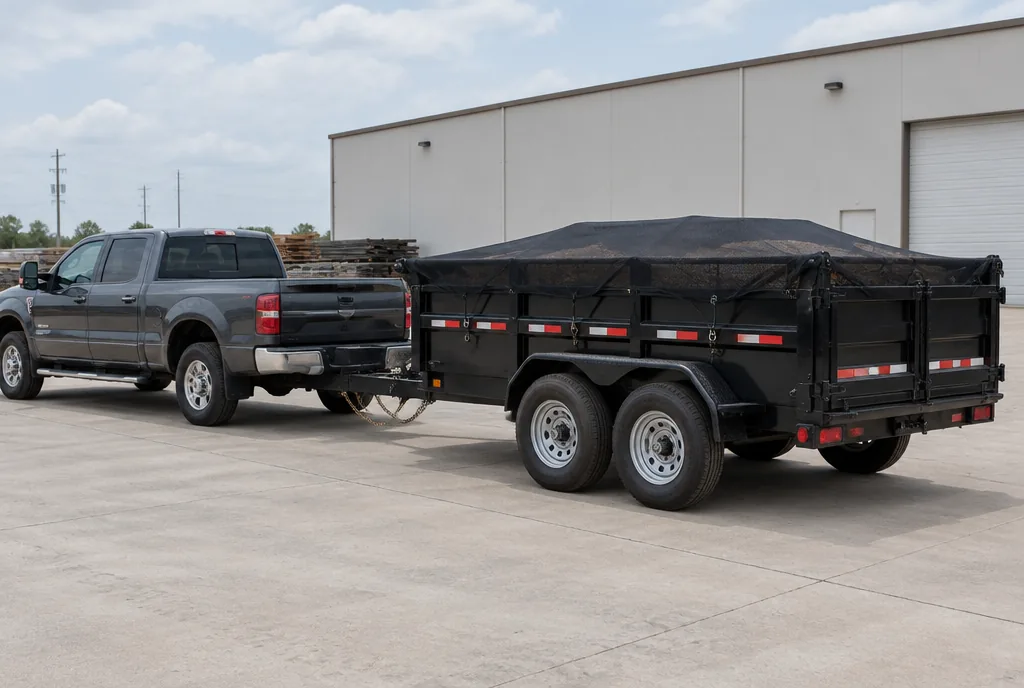
Include the site address, surface, approach and any known overhead or access obstructions. Explain whether the container must fit around tenant traffic, loading docks or other construction activity. Do not measure only the intended resting spot; the delivery vehicle also needs an approach and working room. The dump trailer versus roll-off guide helps compare the collection arrangement with transport you already have.
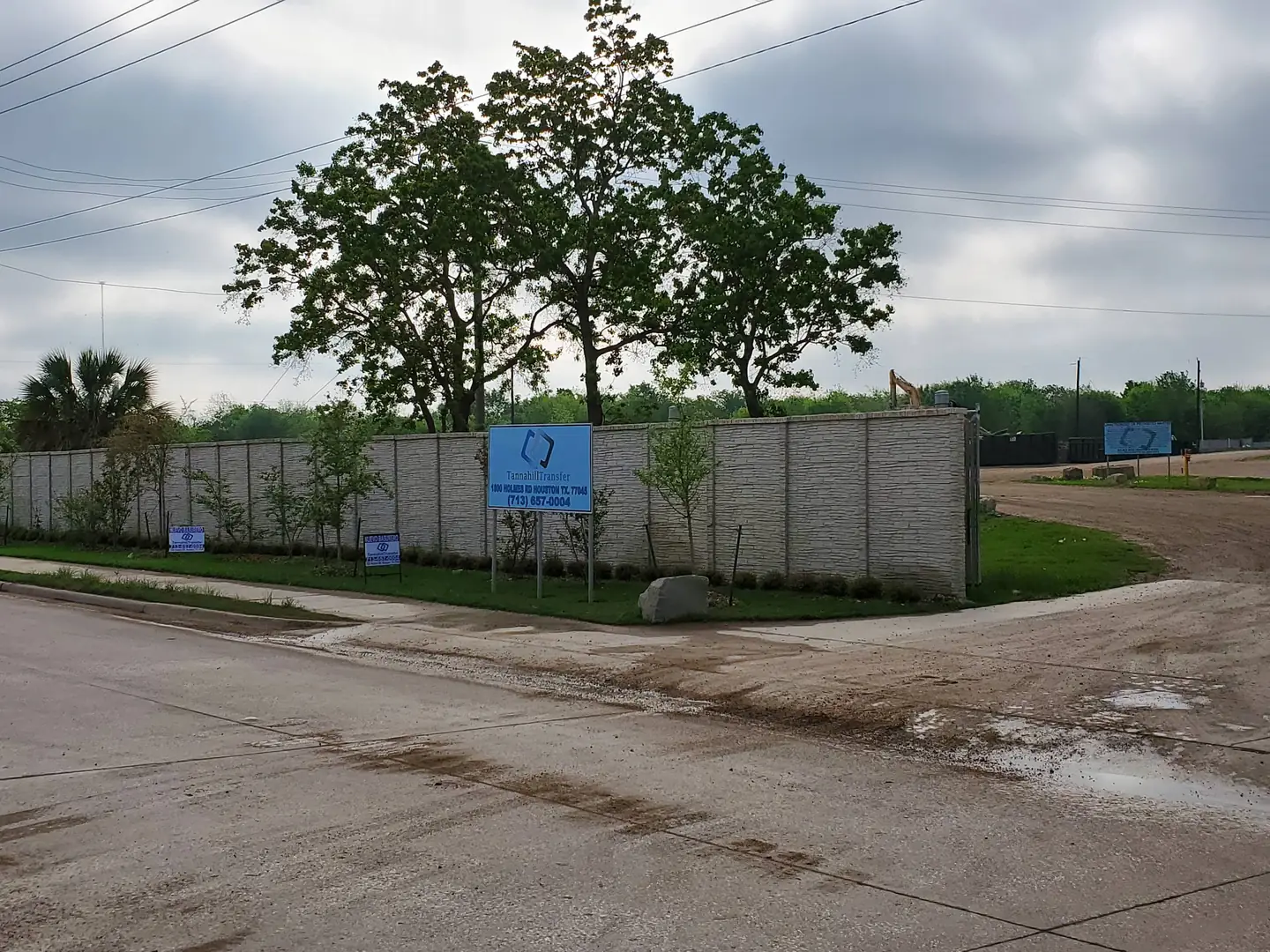
Plan placement, loading and pickup together
Choose a location that fits the project workflow and the truck’s access. A container should be useful to the loading crew without blocking the path needed to remove it. A convenient drop on the first day can become a difficult pickup if equipment, stacked material or parked vehicles later surround it.
Before ordering, identify who controls the placement area and who will maintain access. If the proposed location involves a public right-of-way or a managed property, resolve the appropriate placement permission as part of the project. A rental request should describe the actual situation rather than assuming every commercial address has the same requirements.
Your crew loads the debris unless loading work has been separately arranged. Keep prohibited items out as the job progresses, and plan the pickup or next container around the material generated. Use the material preparation guidance for identifying and separating streams, while keeping dumpster-specific loading instructions tied to the actual rental arrangement.
Give the loading crew the agreed material and loading instructions before work starts. A plan known only to the person who ordered the container is easy to lose when several trades share the same collection point.
Read the rental quote as a complete job
A useful rental quote makes the scope understandable: the container, the planned period, delivery and collection, material limits and any additional event that changes the cost. Establish those terms for the job rather than assuming a published starting price includes every possible visit or load.
Describe whether the project will fill one container or needs repeated collections. State what material will be present at each phase and the expected schedule. A later change from light interior debris to dense concrete is relevant to the equipment and loading plan, even if the project address stays the same.
Compare like-for-like arrangements. A disposal-only quote for material you deliver is not the same service as bringing a container to your job and later collecting it. The construction waste cost guide explains how to describe that difference. Call DW Companies at 713-465-7231 or send the rental details to start the inquiry.
Keep a separate list of events the project may need: the initial container delivery, collection of a full load, another container if work continues and final removal. Describe those needs in the rental inquiry instead of assuming one price covers an unspecified number of movements. The same principle applies if the planned project duration changes; a clear timeline makes the service scope easier to compare.
For a hypothetical interior renovation, continuous wallboard and framing debris may justify a collection point while the crew works. A later slab-removal phase introduces a different material and should prompt a new equipment discussion. Treating both as one generic container request can conceal the loading difference. Plan around the actual sequence so the chosen rental supports the work rather than becoming a storage problem when the project changes phase.
Use self-haul when your trucks already fit the job
A rental is useful when it provides collection or transport the project needs. If a suitable truck, trailer and driver are already available, direct hauling may be a simpler arrangement. Plan the loading, travel, unloading and return so the comparison reflects the job's actual use of people and equipment.
Customer-hauled qualifying waste can go through the Neuens Road receiving inquiry or the Holmes Road transfer station, with material-specific instructions. Concrete and pavement asphalt at the Holmes Road facility follow the separate Houston Crushed Concrete path.
The choice can also change between phases. A temporary collection point may suit continuous interior work, while an existing truck may suit a distinct later load. Use self-haul versus dumpster rental to compare those tasks without making a container the default for every construction-waste inquiry.
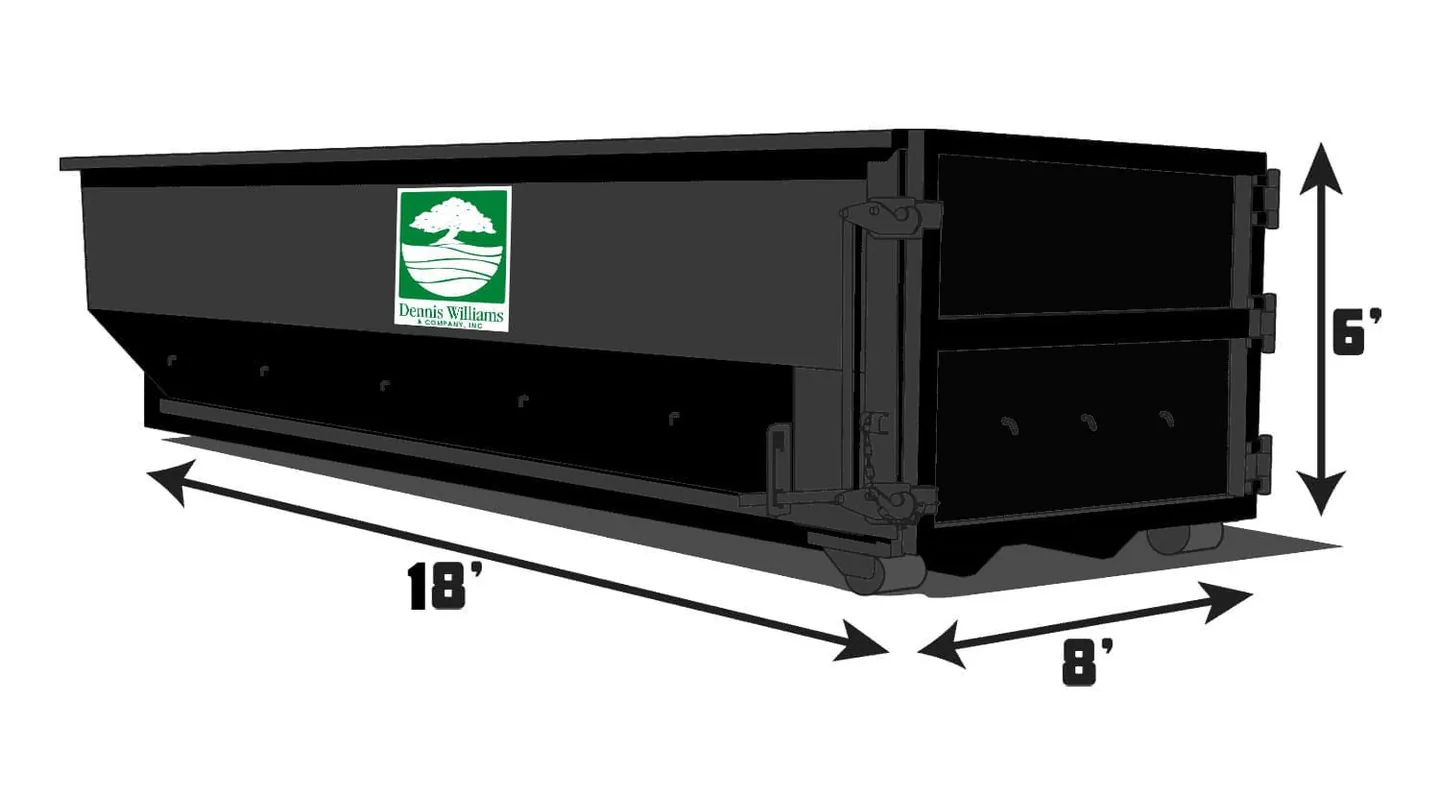
Why container volume is not its allowed weight
Cubic yards measure space
A cubic yard is a volume of space, equal to a cube three feet on each side. A nominal container size describes volume; it does not say how much every possible material can weigh in that space. Irregular lumber and intact assemblies can leave air gaps, so how debris is arranged also affects the amount of room it occupies.
Use the material and approximate amount together when selecting a container. A room's floor area or a building’s commercial use cannot, by itself, determine the right dumpster. The debris thickness, components removed and transport limits matter too.
Dense material changes the loading plan
Concrete, brick and other dense material can produce a heavy load in relatively little space. Increasing the container’s volume does not eliminate the vehicle’s or rental arrangement's weight limit. A material-specific setup and an agreed loading instruction are more useful than a rule to fill every box to the top. Keep concrete or dirt explicitly identified so the rental inquiry reaches the correct equipment discussion.
Answered Questions
Does commercial dumpster rental include a loading crew?
Plan loading with your own crew or a separately arranged service. The temporary container provides a collection point for the project, with delivery and collection addressed in the rental inquiry. Identify loading labor separately so it is covered in the job scope.
Can I rent a container for concrete?
DW Companies lists a designated 16-yard setup for concrete and dirt rentals. State the exact material, approximate quantity and site access when requesting it. A rental for dirt does not make dirt acceptable at the Holmes Road Tannahill transfer station.
Is this a permanent commercial trash service?
This inquiry is for temporary project dumpsters supporting construction, renovation and related cleanup. Permanent front-load business trash service is a different product. Describe the job material and planned duration so the request reflects a construction roll-off need.
Should I rent a dumpster or bring my own trailer?
A temporary container can suit ongoing debris generation and a dedicated staging point. Self-haul can fit when your project already has a suitable vehicle and driver. Compare total handling time, space at the site and how quickly debris is generated, alongside the quoted service scope.
Request the container around the job
Send the actual material, approximate amount, site address and preferred timing. Call DW Companies at 713-465-7231 for the commercial dumpster rental inquiry.